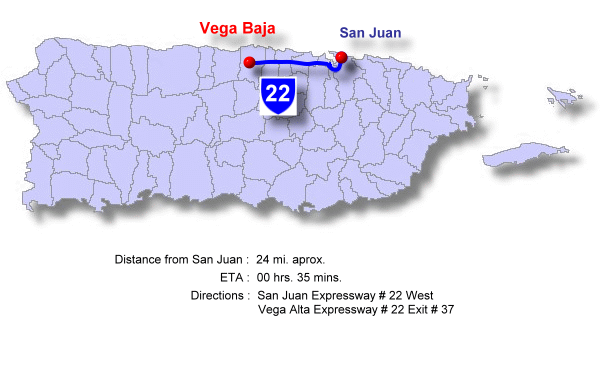
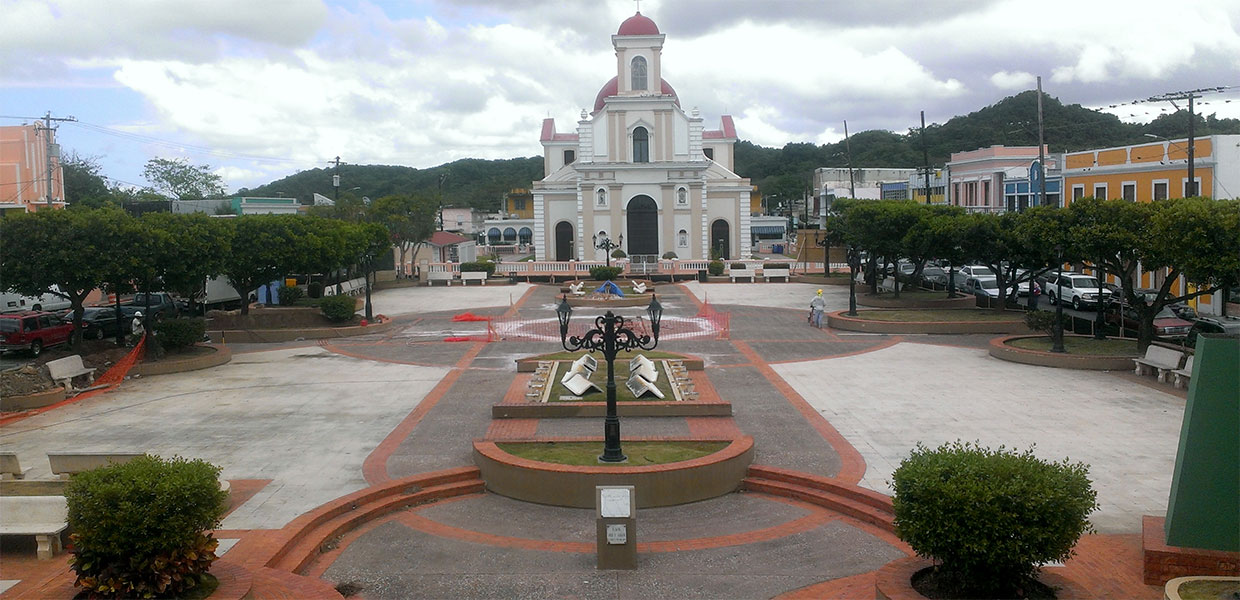
Vega Baja, Puerto Rico
City of "Syrup"
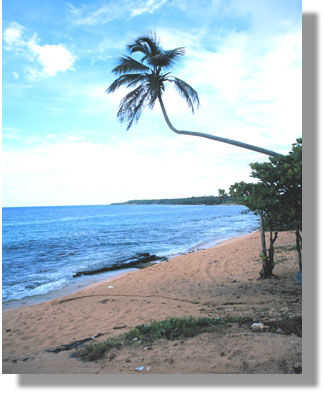 Vega Baja (VAI-gah BAH-hah) known as the City of “Melao Melao,” keeps alive the memory of its sugarcane past, when sugar production was one of the municipality’s main economic activities. It is also known as the Orange Grove Town, as oranges were historically one of the most cultivated minor fruits in the region. Its patron saint is Our Lady of the Rosary, the central figure of the annual patronal festivals that bring together residents and visitors for religious and cultural celebrations.
The municipality is located in the center of Puerto Rico’s northern coast. It borders the Atlantic Ocean to the north, Morovis to the south, Manatí to the west, and Vega Alta to the east. Vega Baja is part of the Northern Coastal Plain and a karst zone, characterized by caves, springs, and underground aquifers. Its flat terrain historically facilitated the cultivation of sugarcane, minor fruits, and livestock raising.
Around 40% of Vega Baja’s territory has been designated as a natural reserve, protecting biodiversity and allowing visitors to enjoy its landscapes in their original state. The municipality includes six of Puerto Rico’s seven most important ecosystems: mangroves, reefs, forests, caves, wetlands, and estuaries, making it a prime destination for ecotourism and outdoor activities.
Natural attractions include beaches and recreational areas such as Puerto Nuevo, Tortuguero, and El Trece, ideal for enjoying the sea and sun. Additionally, the springs of Ojo de Agua, Charco Azul, and Encantada are gathering points for those seeking to refresh themselves and connect with nature.
Vega Baja is also recognized for its archaeological wealth. In Paso del Indio, remains of the Ostionoide culture have been discovered, including pre-Hispanic human burials that have enabled detailed studies on Puerto Rico’s indigenous history. This site is considered globally significant, being one of the most complete archaeological sites on the island in its category.
Among its historical attractions is the Jorge Otero Military Museum, located in Tortuguero, which preserves materials related to World War II and the Korean War, highlighting the participation of Puerto Ricans in international conflicts.
Economically, Vega Baja has evolved from an agricultural municipality into a center with diversified industry and commerce. Shopping centers such as Las Vegas and Vega Baja Mall, along with multiple businesses and urban services, drive employment and development, contributing to the municipality’s sustained progress.
Foundation:
The territory now occupied by Vega Baja has been inhabited for more than 2,300 years, with indigenous peoples present in the region known as Cibuco. These early inhabitants developed rural societies mainly dedicated to livestock raising, fishing, and cultivating native foods.
The town of Vega Baja was officially founded, according to historians, in 1776 under the name La Vega-Baxa del Naranjal de Nuestra Señora del Rosario. The formal founding was arranged through Don Antonio Viera, Captain Settler, who requested recognition of the municipality from the Spanish authorities. The town’s initial construction was facilitated by the donation of 200 cuerdas of land by Don Manuel Negrón Benítez. The first municipal elections under Spanish rule were held on September 9, 1812, marking the beginning of organized political life in the town.
During the 19th century, agriculture was Vega Baja’s economic backbone, with a special focus on sugarcane and minor fruit cultivation. This agricultural boom increased the demand for enslaved labor, causing social tensions. In 1848, a slave revolt occurred, led by a man known as Miguel, who was executed as the leader of the uprising. This episode is remembered as a reflection of the struggle against oppression during the colonial era.
In 1862, Vega Baja was classified as a first-class town in civil terms, reflecting its growth and administrative development. At the beginning of the 20th century, agriculture remained the main occupation of Vega Baja residents, with the San Vicente Sugar Mill as one of the region’s largest employers. Many also worked in sugarcane and minor fruit cultivation, supporting their families’ livelihoods. The closure of the San Vicente Mill in 1968 marked a major shift in the local economy, prompting the search for new sources of employment in industry, commerce, and services, thus beginning Vega Baja’s transition from an agricultural municipality to one with industrial and urban development.
Location:
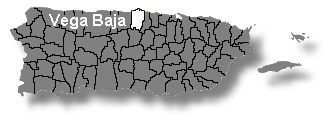 Vega Baja is located in the center of Puerto Rico’s northern coast, strategically positioned among key municipalities in the region. It borders the Atlantic Ocean to the north, Morovis to the south, Manatí to the west, and Vega Alta to the east, providing direct access to the sea and convenient land connections to both the interior and the coast.
Area:
121.4 km² (46.7 square miles)
Population:
54,414 (2020 Census)
Population Density:
Approximately 448 inhabitants per km²
Demonym
Vegabajeños
Nicknames
City of "Melao Melao" (City of "Syrup")
Districts (Barrios): Vega Baja, Puerto Rico
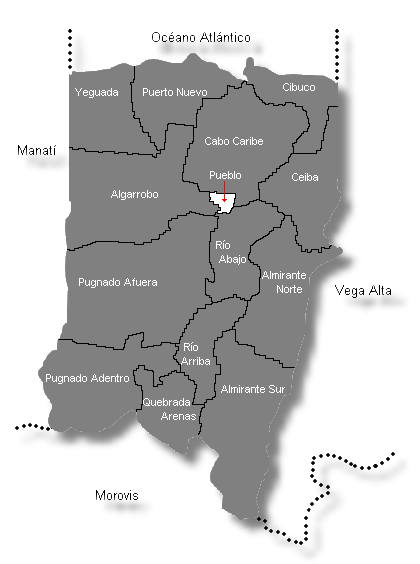
| Census 2020: Population by Wards - Vega Baja |
Population |
| Algarrobo | 16,562 |
| Almirante Norte | 4,667 |
| Almirante Sur | 2,480 |
| Cabo Caribe | 4,581 |
| Ceiba | 5,392 |
| Cibuco | 54 |
| Puerto Nuevo | 5,463 |
| Pugnado Adentro | 1,604 |
| Pugnado Afuera | 11,959 |
| Quebrada Arenas | 670 |
| Río Abajo | 5,620 |
| Río Arriba | 451 |
| Vega Baja Town | 418 |
| Yeguada | 1,724 |
| Total | 54,414 |
Información: Negociado del Censo de los EE.UU. Censo 2020
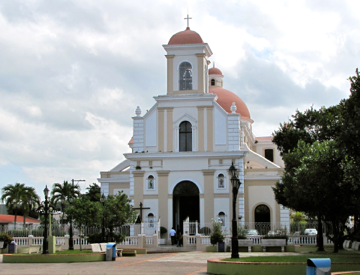
Parish and Patron Saint
Parish: Parroquia Nuestra Señora del Rosario
Patron Saint: Our Lady of the Rosary
Address: P.O. Box 1388, Vega Baja, P.R. 00694-1388
Phone: (787) 858-2969
Year Founded: 1794
Topography:
Vega Baja lies within the Northern Coastal Plain and the Karst Zone. Its terrain is mostly flat, making it ideal for sugarcane cultivation, fruit production, and urban development.
Hydrography:
The municipality is traversed by important bodies of water that nourish its territory and ecosystems. Vega Baja’s location in the Northern Coastal Plain and karst region of Puerto Rico gives rise to numerous caves and natural springs, making it a point of interest for geography and ecotourism enthusiasts.
- Rivers: Cibuco, Indio, Unibón, and Morovis
- Lagoons: Tortuguero Lagoon (shared with Manatí) and Puerto Nuevo Lagoon
- Swamps: The Cibuco Swamp, located in the Cabo Caribe barrio, is an important area for local biodiversity.
These water sources are essential to the municipality’s agriculture, ecological conservation, and recreational activities.
Main Industries
Historically, the economy of Vega Baja was based on agriculture, with particular emphasis on:
- Sugarcane
- Pineapple and other minor fruits
- Livestock
During the 20th century, the municipality diversified its economy with industry and manufacturing, including:
- Leather goods
- Machinery and electrical/electronic equipment
- Clothing and apparel
- Carpets
These industries continue to contribute to local employment and the municipality’s economic development.
Historical average salary: $381.82 per week (1998)
Flag
 The flag of Vega Baja consists of a yellow field crossed diagonally by a green stripe. The colors represent the town’s civic, sports, and cultural traditions. The diagonal band symbolizes the vega (fertile plain) and the river that runs through the municipality, serving as a reminder of the importance of water and agriculture in its history.
Coat of Arms:
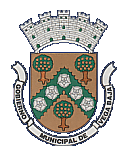 The coat of arms of Vega Baja combines symbols that represent the municipality’s history and identity:
- A green diagonal beam representing the fertile plain or vega of the municipality.
- Three natural oranges and golden fruits, referring to the town’s original name, El Naranjal.
- Silver roses symbolizing Our Lady of the Rosary, the town’s patron saint.
- A mural crown with five towers in silver, black, and green, indicating that Vega Baja held the rank of Villa by Royal Decree.
The gold and green colors of the coat of arms are traditionally used in civic, school, and sports activities, reinforcing the pride and identity of the people of Vega Baja.
Points of Interest in Vega Baja
Vega Baja offers a wide variety of tourist, cultural, and recreational sites ideal for both residents and visitors:
- Puerto Nuevo Beach: A popular destination for swimmers and beach lovers.
- El Trece Recreational Area: Space for family and outdoor sports activities.
- Tortuguero Recreational Complex: Includes leisure areas, trails, and wildlife observation zones.
- Casa Alonso Art Museum: Exhibits local art and cultural collections.
- Orange Groves (Naranjales): A reminder of the town’s agricultural past.
- José F. Náter Town Square: The social and cultural hub of the municipality.
- Teatro América and Teatro Fénix: Venues for artistic and cultural performances.
- Vega Baja Yacht Club: Offers aquatic and sports activities.
- Jorge Otero Military Museum: Preserves artifacts from World War II and the Korean War.
- Las Cuevas del Burro: Natural caves and interesting geological formations.
- Tortuguero Lagoon: A protected area home to diverse flora and fauna species.
- Our Lady of the Rosary Church: Religious and cultural center of the municipality.
- Sculptural Relief of Vega Baja’s History: Artistic representation of key historical moments.
- Parque de las Trinitarias: Green space for family recreation.
- Monument to the Sugarcane Worker: Tribute to sugar industry laborers.
- Monument to the Trío Vegabajeño: Honors renowned musicians from Vega Baja.
- Plazuela del Migrante: Tribute to Vegabajeños living outside the island.
- Melao Melao Handicraft Center: Promotes local crafts and cultural products.
- Vega Baja Sports Hall of Fame: Honors outstanding local athletes.
Traditional Events
Vega Baja celebrates a wide range of cultural and sports festivities throughout the year:
- Three Kings Day Festival – January
- Sports Triathlon – March
- Annual Champions Tournament – June
- St. John’s Night (Noche de San Juan) – June
- Festival of Our Lady of Mount Carmel – July
- Socio-Cultural Fair – May
- Patron Saint Festivities – October
- Melao Melao Festival – October
- Christmas Festival – December
These celebrations reflect the cultural identity of Vega Baja and strengthen community bonds.
Notable Citizens
Vega Baja has been the birthplace of many distinguished figures in music, literature, and social service:
- Rafael Balseiro Dávila: Pianist and composer, known as the “King of the Waltz.”
- José I. de Diego Padró: Poet, novelist, and journalist. Cofounder of the Diepalismo movement with Luis Palés Matos. Notable works include La última lámpara de los dioses (1921), Sebastián Guenard (1924), and En Babia (1930).
- Trinidad “Trina” Padilla de Sanz: Short story writer and poet, known as “The Daughter of the Caribbean.” Published De mi collar (1926) and Cálices abiertos (1943).
- Rafael López Landrón: Writer and lawyer, deputy to the Cortes of Cádiz.
- Pedro Regalado de Diego González: Poet recognized in Puerto Rican literature.
- Facundo Rivera Natal: Poet and cultural promoter.
- Emiliano Martínez Avilés: Writer and chronicler of local history.
- Carmen Rivera de Alvarado: Distinguished social worker.
- Adrián Santos Tirado: Writer and educator.
These Vegabajeños have left a lasting mark on the culture, literature, music, and social life of the municipality, strengthening Vega Baja’s historical and cultural identity.
Vega Baja Public Schools.
Vega Baja District
| Name | Level | Telephone | Address |
| AGAPITO ROSARIO ROSARIO | Elementary | (787) 858-2988 | PO Box 7004 |
| ALMIRANTE SUR II | Elementary | (787) 855-6423 | PO Box 4396 |
| ALMIRANTITO | Elementary | (787) 858-6473 | PMB 9906 PO Box 7004 |
| CABO CARIBE | Elementary | (787) 855-9327 | PO Box 4396 |
| CENTRO COMUNAL | Elementary | (787) 858-1763 | PO Box 718 |
| DR. JESÚS M. ARMAIZ | Elementary | (787) 858-4869 | PO Box 60 |
| EUGENIO MARIA DE HOSTOS | Elementary | (787) 855-6186 | PO Box 718 |
| FEDERICO DEGETAU | Elementary | (787) 855-1401 | PO Box 4396 |
| FERNANDO ROSARIO VÁZQUEZ | Elementary | (787) 858-1953 | PO Box 1366 |
| JOSÉ DE DIEGO | Elementary | (787) 855-9348 | PO Box 4396 |
| JOSÉ GUALBERTO PADILLA | Elementary | (787) 858-2520 | PO Box 1437 |
| MANUEL NEGRÓN COLLAZO I | Elementary | (787) 858-3566 | PO Box 8764 |
| MANUEL PADILLA DÁVILA | Elementary | (787) 855-3359 | Calle 1 PO Box 83 |
| OFELIA DÍAZ | Elementary | (787) 858-8767 | PO Box 718 |
| RAFAEL HERNÁNDEZ | Elementary | (787) 858-1994 | PO Box 100 |
| ROSA M. RODRÍGUEZ | Elementary | (787) 855-5522 | PO Box 4396 |
| SAN VICENTE | Elementary | (787) 858-3587 | PO Box 82 |
| ÁNGEL SANDÍN MARTÍNEZ | Intermediate | (787) 858-2120 | PO Box 7004 |
| BRÍGIDA ÁLVAREZ RODRÍGUEZ | Intermediate | (787) 855-6327 | PO Box 2066 |
| CENTRO DE ADIESTRAMIENTO | Secondary | (787) 855-1360 | PO Box 4483 |
| ALMIRANTE NORTE | Second Unit | (787) 858-5252 | PO Box 7004 |
| MANUEL MARTÍNEZ DÁVILA | Second Unit | (787) 858-1152 | PO Box 1730 |
| JUAN QUIRINDONGO MORELL | High School | (787) 858-0859 | PO Box 1618 |
| LINO PADRÓN RIVERA | High School | (787) 858-2110 | PO Box 4096 |
Hymn:
Lirics: Adrián Santos Tirado - Music: Roberto Sierra
Más dulce que la miel es tu recuerdo,
cuando lejos estoy, pueblo querido,
Mi alma te la envío en un suspiro,
y en viaje hacia el ensueño en ti me pierdo.
El agua de Cibuco es cual caricia
para mi alma sedienta de nostalgia,
y llego a un Puerto Nuevo cada día
donde es radiante el cielo y las espumas cantan.
Aún de los naranjales queda el oro
convertido en canción, arte y poesía;
y en la dulce colmena de tus calles se afana
el revuelo que vierten tus montes y sabanas.
No importa que me marche cazador de quimeras;
yo quiero caminar por tu calle infinita,
y dormir para siempre una tarde cualquiera
en la apacible cuna de tu tierra bendita.