Hatillo, Puerto Rico
Milk Industry Capital
Hatillo (ah-TEE-yo) is widely known as the “Capital of the Dairy Industry” of Puerto Rico and is also identified by the nicknames “Hatillo del Corazón,” “Land of Green Fields,” “The Soup-Less Town,” and “The Town of the Cattle Ranchers.” These names reflect its strong agricultural vocation, community identity, and long-standing historical connection to cattle ranching and milk production.
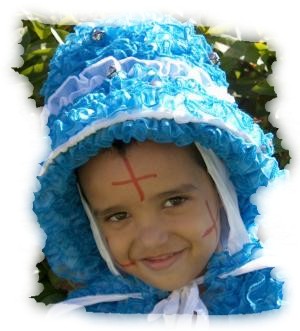
Its patron saint festivities, dedicated to Our Lady of Mount Carmel, are celebrated annually in July and represent one of the municipality’s most important religious and cultural events. Hatillo is also recognized island-wide for the celebration of the Day of the Masks, held every December 28, a tradition unique in Puerto Rico associated with the commemoration of the Holy Innocents and characterized by the use of colorful masks and traditional costumes. Community activities begin as early as December 27, leading up to the main celebration.
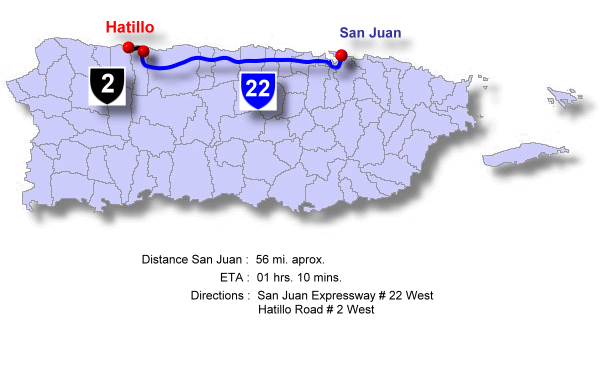
Hatillo is located on the north and northwestern coast of Puerto Rico. It is bordered to the north by the Atlantic Ocean, to the south by the municipalities of Lares and Utuado, to the east by Arecibo, and to the west by Camuy. This geographic location has directly influenced its economic development, access to natural resources, and strong ties to both coastal and agricultural activities.
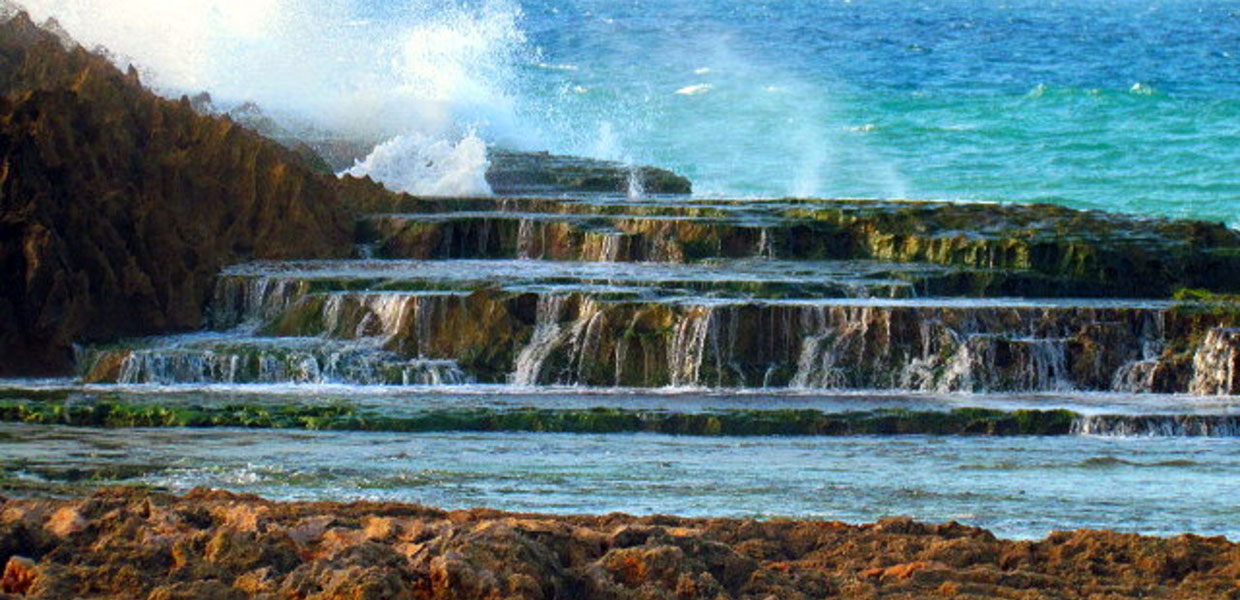
From a physical standpoint, Hatillo forms part of the Northern Coastal Plains and the region known as the northwestern plateau. It features a coastal strip that is mostly flat or gently rolling, while the interior terrain becomes more irregular as it transitions into the mountainous backbone of the island. The municipality is also characterized by areas of mogotes and depressions, typical of the karst landscape of northern Puerto Rico. Hatillo is primarily irrigated by the Camuy River, a vital resource for local agriculture and cattle farming.
Since its founding, Hatillo has been primarily devoted to cattle ranching, an activity that remains the backbone of its economy. Today, the municipality stands out as one of the largest milk producers per square mile in the world, supplying approximately one-third of the milk consumed in Puerto Rico. This level of production has established Hatillo as a cornerstone of the island’s dairy industry.
Complementing this agricultural base are manufacturing industries supported by economic development initiatives, as well as Plaza del Norte, one of the most important shopping centers in the northern region of Puerto Rico. In addition, Hatillo’s Atlantic coastline offers beaches suitable for artisanal and recreational fishing, an activity that has endured over time and continues to be an integral part of daily life in many of the municipality’s coastal communities.
Foundation and History
Hatillo was founded as a village on June 30, 1823, by Don Agustín Ruíz Miranda, who is recognized as the founder of the municipality. Its first mayor was Don Francisco Martínez. The original land designated for the new settlement consisted of approximately ten cuerdas, which were donated by Ruíz Miranda under specific conditions: public buildings were to be constructed, wide streets laid out, and the remaining lots sold or granted exclusively for residential housing. The land could not be used for purposes other than those stipulated by the founder, demonstrating an early and deliberate approach to urban planning.
The historic name “Hatillo del Corazón de Riego” has a meaningful dual origin. First, the municipality was separated from the former Hato Grande ward of Arecibo, which had previously been subdivided into Hato Arriba, Hato Abajo, and Hatillo. These names emerged from the traditional use of the land, much of which belonged to Don Esteban Colón and was primarily dedicated to cattle grazing, known as hatos. This activity profoundly shaped the economic and cultural identity of the area.
The second origin of the name is linked to broader historical events. In tribute to the liberal movement led in Spain by Don Rafael de Riego y Núñez, who rose against the absolutist government of King Ferdinand VII, and at the proposal of the syndic Don Gabriel de Arana, the new town council was given the name Hatillo del Corazón de Riego. At the time, Don Miguel de la Torre was serving as Governor of Puerto Rico, under whose administration the municipality’s name was formally established.
During its first year, Hatillo had a population of 910 inhabitants. By the following year, the population had grown rapidly to 2,663 residents, distributed between the urban center and the neighborhoods of Carrizales, Capáez, Naranjito, Corcovado, Buena Vista (formerly Yeguada Occidental), Campo Alegre (formerly Yeguada Oriental), Pajuil, Bayaney, Aibonito, and Barrio Pueblo. Over time, territorial organization evolved with population changes. In the 1940 census, the barrio of Pajuil officially disappeared, and its territory was divided among Buena Vista, Naranjito, Corcovado, and Campo Alegre.
From its earliest beginnings, Hatillo has been closely linked to cattle ranching, an activity that defined its economic and social development. This productive vocation has endured for centuries, allowing the municipality today to be recognized as one of the world’s largest milk producers per square mile, supplying approximately one-third of the milk consumed in Puerto Rico.
Over time, this strong agricultural base was complemented by manufacturing industries promoted through economic development programs, as well as a significant commercial sector led by Plaza del Norte, one of the most important shopping centers in the country. In addition, Hatillo’s Atlantic coastline has supported artisanal fishing, an activity sustained across generations and one that continues to be an integral part of daily life in the municipality’s coastal communities.
Location
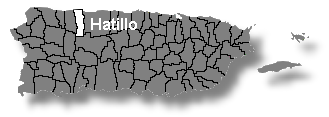 Hatillo is located in the northern region of Puerto Rico, with a strategic geographic position that combines Atlantic coastline access with connectivity to the mountainous interior of the island.
The municipality borders the Atlantic Ocean to the north, providing a coastal strip of great importance for fishing and maritime activities. To the south, it borders the municipalities of Lares and Utuado, linking Hatillo to the island’s interior mountain region. To the east, it borders Arecibo, one of the main urban centers of northern Puerto Rico, and to the west, it borders the municipality of Camuy.
This location has been a determining factor in Hatillo’s historical and economic development, allowing it to function as a link between the northern coast and the interior region. It has facilitated the transportation of agricultural products—especially those related to dairy farming—and strengthened commercial ties with neighboring municipalities. In addition, Hatillo’s access to the Atlantic Ocean has supported the continuity of fishing activities and the sustainable use of coastal natural resources.
Area and Population
Land Area
Hatillo has an approximate land area of 109.0 square kilometers (equivalent to 42.0 square miles), placing it among the mid-sized municipalities in northern Puerto Rico.
Population
According to the 2020 United States Census, Hatillo has a population of 40,488 residents. This figure reflects relative demographic stability compared to previous decades, consistent with population trends observed in other municipalities in the northern region of the island.
Population Density
- 371 residents per square kilometer
- 964 residents per square mile
The highest population concentration is found in the urban center and in neighborhoods with greater residential development and access to major transportation routes.
Demonym
- Hatillanos
Nicknames
- Capital of the Dairy Industry
- Hatillo del Corazón de Riego
- Land of Green Fields
- Town Without Soup
- The Ranchers
These titles encapsulate the historical, economic, and cultural identity of Hatillo, closely tied to livestock farming, dairy production, and the rural character that distinguishes the municipality within northern Puerto Rico.
Wards: Hatillo, Puerto Rico
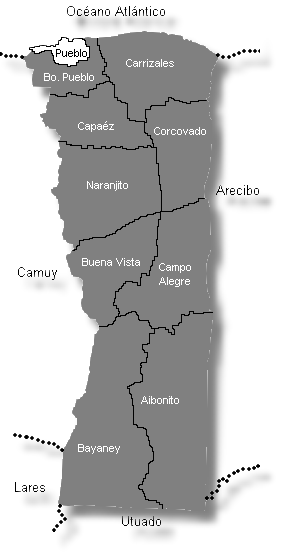
| Census 2000: Population by Wards - Hatillo |
Habitantes |
| Aibonito | 2,705 |
| Barrio Pueblo | 4,210 |
| Bayaney | 3,373 |
| Buena Vista | 2,279 |
| Campo Alegre | 4,829 |
| Capáez | 4,271 |
| Carrizales | 6,807 |
| Corcovado | 4,064 |
| Hatillo Pueblo | 2,757 |
| Naranjito | 3,630 |
| Total | 38,925 |
Source: Censo 2000
General Demographic Update (2020 Census)
- Total population of Hatillo (2020): 40,488 residents
- Source: U.S. Census Bureau – 2020 Decennial Census
The population figure reflects moderate demographic changes, with residential growth near the urban center and relative stability in rural, livestock-focused areas. This pattern aligns with Hatillo’s continued role as a predominantly agricultural municipality while accommodating gradual residential development.
Religious Patronage and Tradition
Patron Saint: Our Lady of Mount Carmel (Nuestra Señora del Carmen)
Devotion to Our Lady of Mount Carmel is one of the religious and cultural pillars of Hatillo. The patron saint is honored every July 16, a date marked by liturgical celebrations, processions, and community activities that form an essential part of the town’s identity.
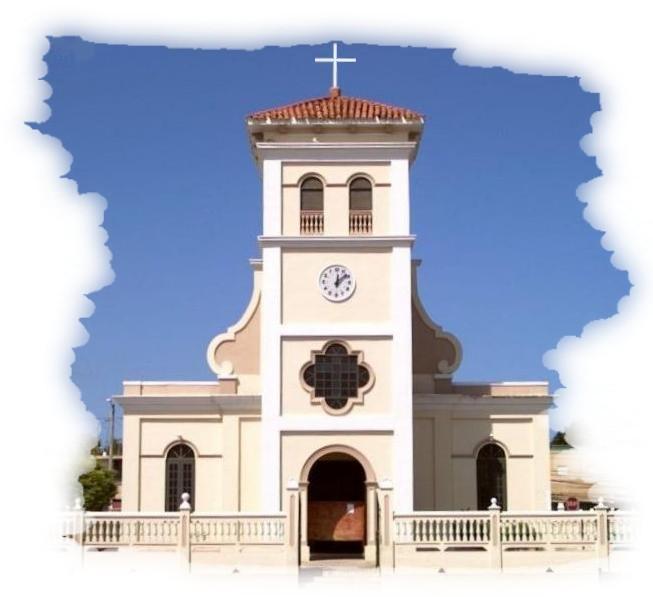
Our Lady of Mount Carmel Parish
Mailing address: P.O. Box 2, Hatillo, PR 00659-0002
Phone: (787) 898-5300
Year founded: 1830
Patron Saint Feast Day: July 16
The parish serves as the municipality’s main religious center and as a spiritual and social gathering place for the Hatillo community, especially during the July patron saint festivities.
Topography and Relief
Hatillo lies between the northern coastal plains and the mountain backbone of Puerto Rico’s interior. It forms part of the Northwest Plateau, characterized by:
- A predominantly flat to gently rolling coastal strip toward the north
- Mogotes (karst hills), rolling hills, and depressions in inland areas
- More irregular and elevated terrain toward the southern portion of the municipality, marking the transition to the mountainous region
This combination of landforms has historically favored extensive dairy farming, agricultural development, and the establishment of rural communities.
Hydrography
Hatillo has water resources typical of northern Puerto Rico, essential to agriculture and livestock production.
The municipality’s main water bodies include:
- Camuy River, which marks part of the western boundary and has historically supported agricultural development
- Hatillo River, which flows through parts of the municipality and empties into the northern coast
- Smaller streams and tributaries that supply agricultural zones and pasturelands
Together with the region’s fertile soils, these river systems have sustained the dairy and agricultural activities that define Hatillo.
Note: The Guayanilla and Yauco rivers belong to southern Puerto Rico and are not part of Hatillo’s hydrography.
Economy and Predominant Industries
Dairy Farming
Hatillo is officially recognized as the Dairy Industry Capital of Puerto Rico. The municipality:
- Produces approximately one-third of the milk consumed on the island
- Has one of the highest concentrations of dairy production per square mile worldwide
- Is home to numerous dairy farms, cattle operations, and businesses linked to milk processing
Livestock production has been the economic foundation of Hatillo since its founding and remains its principal productive engine.
Manufacturing and Processing
In addition to agriculture, Hatillo includes:
- Food and dairy processing plants
- Light manufacturing enterprises supported by economic development programs
- Industrial infrastructure tied to regional commerce
Hatillo is not a petrochemical manufacturing center. Its industrial profile is dominated by food and dairy-related industries, not petrochemicals.
Commerce and Services
The municipality benefits from its proximity to Arecibo and Camuy, as well as from Plaza del Norte, one of the most important shopping centers in northern Puerto Rico. This commercial hub strengthens employment opportunities and regional economic activity.
Fishing and Coastal Activities
Hatillo’s coastline has traditionally supported artisanal fishing, an activity that remains active and complements the local economy. Coastal areas and beaches also support recreational and community activities connected to the sea.
Municipal Symbols of Hatillo
The municipal symbols of Hatillo reflect the town’s historical, economic, and spiritual identity, highlighting its close relationship with the sea, dairy farming, and religious devotion.
Flag of Hatillo
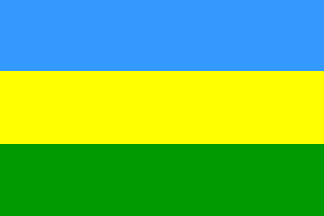 The flag of Hatillo consists of three horizontal stripes, each with a specific meaning:
- Blue stripe (top): Represents the Caribbean Sea and the Atlantic Ocean, which border Hatillo to the north, as well as the historical importance of the coast for fishing and community life.
- Yellow stripe (center): Symbolizes the material, cultural, and artistic wealth of the town, along with the economic development achieved throughout its history.
- Green stripe (bottom): Represents the extensive vegetation of Hatillo’s countryside, its pasturelands, and the agricultural and livestock base that characterizes the municipality.
Together, the flag summarizes the relationship between Hatillo’s natural environment, economy, and community identity.
Coat of Arms of Hatillo
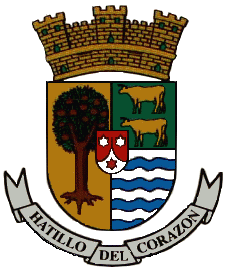 Hatillo’s municipal coat of arms is rich in heraldic symbolism and includes the following elements:
- Gold mural crown with three towers, masoned in black and trimmed in green, which establishes Hatillo’s status as a town and symbolizes unity and collective defense.
- Silver field: Displays a corazón tree (Annona reticulata), shown with fruit and uprooted in natural color, directly referencing the historic name of the municipality.
- Green field: Shows two standing golden cows placed vertically, an unmistakable symbol of cattle ranching and the dairy vocation that has defined Hatillo since its founding.
- Wavy bands of blue and silver (eight pieces): Represent the beaches and the municipality’s close relationship with the sea.
- Central inescutcheon of the Order of Carmel: Symbolizes Our Lady of Mount Carmel, the town’s patron saint and one of the most important Marian devotions in Puerto Rico.
- Lower white scroll: Bears the inscription “Hatillo del Corazón,” recalling the municipality’s historic name, Hatillo del Corazón de Riego.
Overall Meaning
Together, the flag and coat of arms function as canting arms, visually proclaiming Hatillo’s history, its dairy-based economy, its religious faith, and its territorial identity. These symbols represent the continuity of the town’s heritage and the pride of its residents in their cultural and productive legacy.
Events and Traditions of Hatillo
Hatillo is one of the municipalities with the richest living traditions in Puerto Rico, combining religious celebrations, community festivals, and unique folk expressions that strengthen Hatillo’s local identity.
Day of the Masks (December 28)
This is Hatillo’s most emblematic tradition and one of the most distinctive cultural expressions in Puerto Rico. Every December 28, in commemoration of the Day of the Holy Innocents, thousands of people gather to take part in a celebration of handmade masks, colorful costumes, and spontaneous performances that transform the town center into a large open-air cultural stage.
The celebration includes:
- Elaborate handmade masks
- Spontaneous and organized parades
- Music, comparsas, and broad community participation
- Visitors from across the Island and abroad
The Day of the Masks has become a symbol of cultural resilience and popular creativity, passed down from generation to generation.
Patron Saint Festivities of Our Lady of Mount Carmel (July)
Celebrated in honor of the town’s patron saint, these festivities combine:
- Religious ceremonies and processions
- Live music and cultural activities
- Arts and crafts, traditional food, and family-oriented events
They are among the most attended religious celebrations in northern Puerto Rico.
Feast of the Cross (May)
A religious tradition celebrated in neighborhoods and communities throughout the municipality, integrating prayers, hymns, and community gatherings.
Traditional Cooperative Festival (October)
An event highlighting the cooperative movement, which is deeply rooted in Hatillo, promoting values of solidarity, community development, and the local economy.
Tribute to Miguelito Alcaide (October)
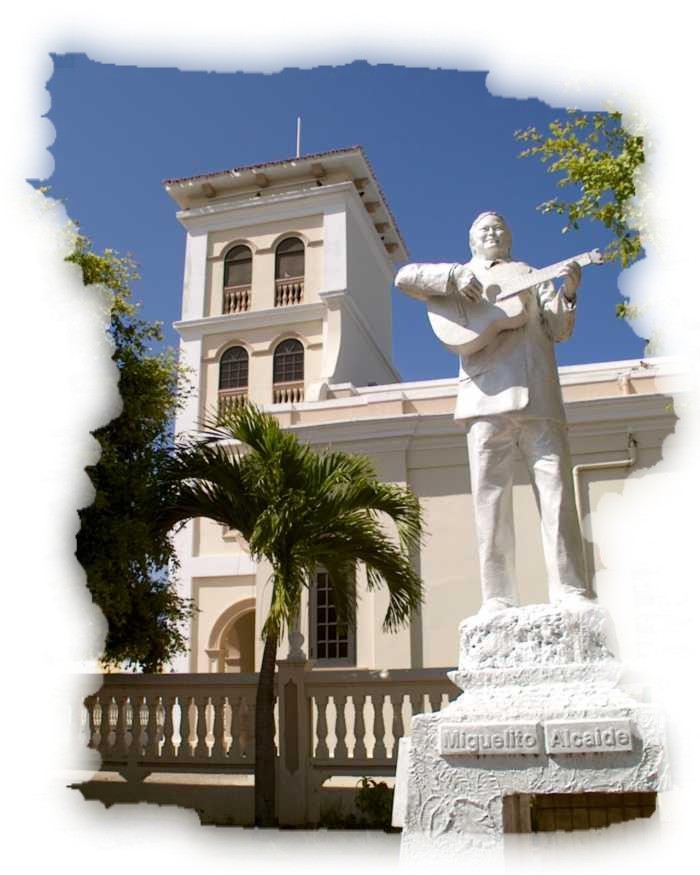
A cultural event honoring the memory and legacy of the renowned Hatillo-born musician Miguelito Alcaide.
Traditional Festivities and Christmas Festival (December)
Events that mark the Christmas season with traditional music, holiday lighting ceremonies, family activities, and community celebrations.
Places of Interest in Hatillo
Hatillo offers a diverse combination of natural, historical, cultural, and recreational attractions that reflect its agricultural, coastal, and community heritage.
Beaches and Natural Areas
- Playa Sardinera – Easily accessible beach, ideal for family recreation and coastal fishing.
- Gran Parque del Norte (Playa Río Mar) – Coastal recreational area with green spaces and beach access.
- Hatillo Caves – A cave system within the municipality’s karst zone, of high geological and ecological value.
- Cueva Pagán – A natural formation associated with local legends and speleological studies.
Historical and Cultural Heritage
- Parish of Our Lady of Mount Carmel – Main religious temple and center of the patron saint festivities.
- Paseo del Carmen – Urban promenade used for cultural and recreational activities.
- José Antonio Monrouzeau Theater – Important cultural venue dedicated to the performing arts and community events.
- Former Bayaney Sugar Mill – Remnant of the sugar industry that marked a key stage in the local economy.
- Ruins of Hacienda Santa Rosa – Historic site linked to the municipality’s agricultural and ranching past.
- Santa Rosa Sugar Mill (Trapiche) – Historic structure associated with traditional agricultural production.
Sports and Recreation
- Francisco Deida Méndez Coliseum – The municipality’s main indoor sports complex.
- La Marina – Area used for recreational and community activities connected to the coast.
Cultural Value
Hatillo’s places of interest are not only recreational or tourist spaces; they are sites of collective memory where ranching traditions, religious faith, popular folklore, and community life converge.
Curiosities and Unique Facts about Hatillo
Hatillo has several distinctive characteristics that set it apart within Puerto Rico and even internationally, especially due to its cultural, ranching, and community identity.
Capital of the Dairy Industry
Hatillo is officially recognized as the Capital of Puerto Rico’s Dairy Industry. The municipality produces approximately one-third of all the milk consumed on the Island and for decades has been cited as one of the areas with the highest milk production per square mile in the world.
This reality has shaped:
- The local economy
- The rural landscape
- Cultural identity
- The nickname “Town of the Ranchers”
Dairy farming is not only an economic activity but a family tradition passed down through generations.
The Day of the Masks: A Unique Tradition in Puerto Rico
The celebration of the Day of the Masks on December 28 turns Hatillo into the stage for one of the country’s most original traditions. Unlike other Holy Innocents Day celebrations in Puerto Rico, Hatillo’s observance developed a distinctive character marked by:
- Handcrafted masks
- Colorful and creative costumes
- Massive community participation
- Visitors from across the Island and abroad
This tradition has endured for generations and is considered a symbol of cultural identity and folk resilience.
The Nickname “Town Without Soup”
One of Hatillo’s most curious nicknames is “The Town Without Soup.” This expression emerged from popular anecdotes and reflects the town’s straightforward and humorous character. Although its origin has multiple interpretations, today it is embraced as a cultural and humorous badge that forms part of local folklore.
The Largest Cooking Pot in Puerto Rico
Hatillo is home to the largest cooking pot in Puerto Rico, owned by Dr. Sigfredo “Fifo” Aguilar. This impressive pot measures approximately:
- 8 feet in diameter
- 2½ feet in depth
It has traveled across the Island for community events and, on one occasion, was used to prepare more than 2,400 pounds of rice, ham, chicken, and other ingredients—becoming a symbol of hospitality and community unity.
A Municipality with Multiple Identities
Hatillo brings together a rare combination of identities:
- Ranching and agricultural
- Coastal and fishing-based
- Cultural and festive
- Historical and community-centered
From this diversity arise its many nicknames:
- Capital of the Dairy Industry
- Hatillo del Corazón de Riego
- Land of Green Fields
- Town Without Soup
- The Ranchers
Each reflects a different facet of Hatillo’s character.
Community Pride
Beyond statistics and records, one of Hatillo’s most defining traits is its strong sense of belonging. Traditions, cooperatives, festivals, and community life foster deep local pride that continues to shape the municipality today.
Notable Figures of Hatillo
Hatillo has been the birthplace of distinguished individuals who have made significant contributions to Puerto Rico’s cultural, artistic, political, and social development. These figures represent the talent, leadership, and civic commitment that have historically characterized the people of Hatillo.
Agustín Ruiz Miranda – Founder of the municipality of Hatillo in 1823. He donated the original land for the establishment of the town under clear conditions for urban development, public buildings, and community organization. His vision was essential to the municipality’s early planning.
Fernando Ledesma – Politician and businessman. He served as a member of the Puerto Rico House of Delegates and was the owner of the now-defunct Central Bayaney, one of the most important sugar mills in the northern region during its time.
José P. H. Hernández – Poet, musician, and pharmacist. His literary and artistic work forms part of Hatillo’s cultural heritage, noted for its poetic sensitivity and contributions to the municipality’s intellectual life.
José R. Millán and Ramón Millán – Brothers and owners of Hacienda Santa Rosa, one of the municipality’s most important historic estates, closely linked to Hatillo’s agricultural and industrial development.
Luis H. Lacomba – Distinguished musician recognized for his contributions to music and local culture, forming part of Hatillo’s artistic legacy.
Lorenzo Coballes Gandía – Lawyer and poet. His intellectual and literary work positions him as a relevant figure in Puerto Rican cultural thought.
Pedro Pablo Vargas – Hatillo-born poet whose work contributed to the municipality’s literary heritage and the strengthening of local cultural identity.
Felipe Arana – Poet, musician, and writer. He served as president of the Circle of Ibero-American Writers and Poets of New York, standing out for his international reach and commitment to Hispanic literature.
José Antonio Monrouzeau – Composer and musician. The José Antonio Monrouzeau Theater, one of the municipality’s main cultural venues, was named in his honor.
Oscar Colón Delgado – Renowned painter of the 20th century. His artistic work represents an important part of Hatillo’s visual and cultural legacy.
Carmelo Rodríguez – Lawyer, politician, and legislator. He played an active role in public life, representing the interests of his community.
Francisco M. Susoni – Physician and legislator. Recognized for his service in both the healthcare field and Puerto Rico’s political life.
Velda González – Actress and senator. Widely known for her work in Puerto Rican theater and television, as well as for her legislative career, she brought the name of Hatillo to national stages.
Collective Legacy
Together, these individuals reflect the diversity of talent that has emerged from Hatillo, spanning politics, literature, music, visual arts, and public service. Their legacy remains a source of pride and inspiration for present and future generations of Hatillo residents.
Public Schools sorted by educational levels.
Arecibo Region
Hatillo District
| Name | Level | Telephone | Address |
| Elementary | |||
| ADRIÁN MARTÍNEZ GANDIA | K-6 | (787) 898-3440 | PO Box 1717, P.R. 00659-0000 |
| CARMEN NOELIA PERAZA TOLEDO | K-6 | (787) 898-0001 | PO Box 7, P.R. 00659-0000 |
| EUGENIO MARIA DE HOSTOS | K-6 | (787) 898-1586 | PO Box 7, P.R. 00659-0000 |
| JOAQUÍN RODRÍGUEZ RUIZ | K-6 | (787) 898-9272 | PO Box 1336, P.R. 00659-0000 |
| JOSÉ GAUTIER BENÍTEZ | PK-6 | (787) 898-9096 | PO Box 1707, P.R. 00659-0000 |
| LUIS MELÉNDEZ RODRÍGUEZ | K-6 | (787) 898-9497 | PO Box 69001 Suite 207, P.R. 00659-0000 |
| LUIS MUÑOZ RIVERA | K-6 | (787) 898-1830 | PO Box 7, P.R. 00659-0000 |
| MANUEL CORCHADO | K-6 | (787) 898-7240 | PO Box 7, P.R. 00659-0000 |
| ROSA E. MOLINARI | PK-6 | (787) 898-4000 | PO Box 7, P.R. 00659-0000 |
| TEODORO ROOSEVELT | K-3 | (787) 898-7040 43 | PO Box 7, P.R. 00659-0000 |
| Intermediate | |||
| JULIET A. CASEY | 7-9 | (787) 898-4170 | PO Box 1653, P.R. 00659-1653 |
| TIMOTEO DELGADO | 7-9 | (787) 898-9566 | PO Box 69001 Suite 182, P.R. 00659-0000 |
| Secondary | |||
| LUIS MELÉNDEZ RODRÍGUEZ | 7-12 | (787) 898-6911 | PO Box 69001 Suite 275, P.R. 00659-0000 |
| SU RAFAEL ZAMOT CRUZ | K-9 | (787) 820-0841 | PO Box 59003 Suite 166, P.R. 00659-0000 |
| High School | |||
| LORENZO COBALLES GANDIA | 10-12 | (787) 898-4300 | PO Box 1357, P.R. 00659-0000 |
Hymn:
Author : Charlie Aguilar
Musical arrangement: Papo Sánchez
De un mar azul en el Atlántico
De verdes campos a todo largo
Olas plateadas jugando en blanco
Es este pueblo, pueblo afanado.
Con tradiciones de gran legado
De ilustres hombres muy aclamados
Poetas libres y literarios
Que son orgullo del proletario.
Máscaras típicas de Islas Canarias
Como es el Truco también traído
Y en los deportes reconocidos
Esos son frutos bien cosechados.
Lolen Coballes, P.H. Hernández
Felipe y Cosme de los Aranas
Y con Don Lalo, bellos paisajes
Fueron pintados por Don Oscar.
Piedra del Hombre de Pedro Pablo
La cuesta vieja; la del Guamá
Son pintorescos de su inventario
Pueblo de Hatillo, pueblo afamado.