Moca, Puerto Rico
The Mundillo Lace Capital
Moca is widely known as the “Capital of the Mundillo,” a traditional bobbin lace craft that is deeply rooted in the municipality’s cultural identity. It is also recognized as the town of “Los Vampiros,” a nickname of historical and folkloric origin. The town’s patron saint is Our Lady of Montserrat, a central figure in Moca’s religious and community life.
The municipality borders San Sebastián to the east, Aguada to the west, Isabela and Aguadilla to the north, and Añasco to the south. This location has strengthened Moca’s agricultural, commercial, and cultural ties within Puerto Rico’s northwestern region.
From a geographic perspective, Moca is part of the Western Coastal Valleys subregion, characterized by highly fertile alluvial soils. Rainfall is generally more abundant from May through November, while the drier season typically extends from December to March—conditions that have historically supported sustained agricultural activity.
Moca stands out as a producer of minor crops, including plantains, bananas, pigeon peas, yautía, yams, squash, cassava, beans, coffee, and citrus (oranges). Complementing this agricultural base is a manufacturing and artisanal sector of small and medium-sized enterprises dedicated to products such as donuts, peanuts, traditional sweets, pasteles, pork rinds, as well as office equipment manufacturing and traditional baked goods like brazo gitano. Together, these activities add diversity and resilience to the local economy.
Foundation and History of Moca
On April 7, 1772, Don José de Quiñones appeared before Governor Don Miguel de Muesas with a power of attorney granted by 71 residents, formally requesting authorization to establish a town and a church in the Moca area. After meeting the requirements imposed by the Spanish colonial administration—including official recognition of the settlement, land surveys, allocation of funds, and securing a guaranteed income for the parish priest—the project was approved.
A key factor in this process was the land donation made by Doña Cándida Vives, which enabled the physical establishment of the new settlement. As a result of these efforts, Moca was officially founded on June 22, 1772, becoming part of the administrative and religious development of western Puerto Rico during the Spanish colonial period.
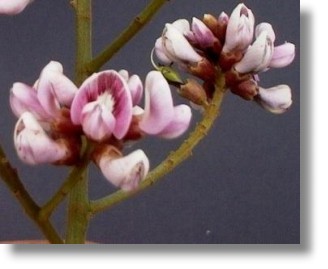
The origin of the name “Moca” is not documented with absolute certainty. However, the most widely accepted historical interpretation links it to the abundance of the moca tree (Andira inermis) in the region. This tree—easily recognized by its pink or purple blossoms—was common in the local landscape and gradually became a natural symbol of the municipality.
In recognition of its historical and environmental significance, on February 19, 1972, as part of the town’s bicentennial celebrations, the moca tree (Andira inermis) was officially adopted as the representative tree of the municipality, reaffirming the close relationship between Moca’s natural environment, history, and cultural identity.
Location, Area, and Population of Moca
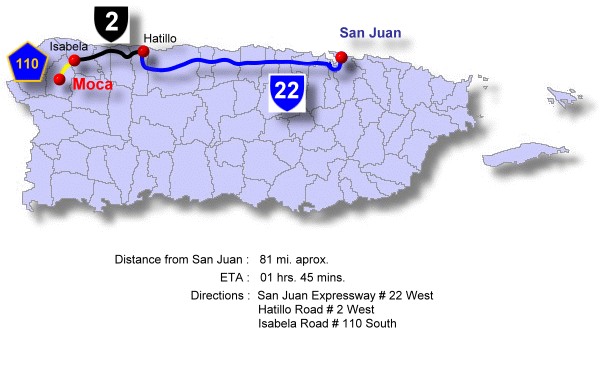
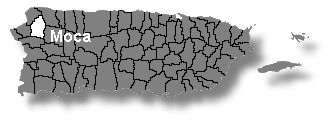 The municipality of Moca is located in the northwestern region of Puerto Rico, with a geographic position that connects it to both the northern coast and the western interior of the island.
Moca borders:
- North: Aguadilla and Isabela
- South: Añasco
- West: Aguada and Aguadilla
- East: Isabela and San Sebastián
This location has been instrumental in its agricultural development, regional integration, and long-standing ties with neighboring municipalities in western and northwestern Puerto Rico.
Land Area
- 31.8 square kilometers
- 50.7 square miles
Its relatively compact territory has supported a balanced distribution of rural farmland, agricultural areas, and residential communities.
Population (2020 Census)
- 36,141 residents
This figure reflects a moderate population decline compared to the 2000 Census, consistent with demographic trends observed across several municipalities in western Puerto Rico over the past two decades.
Population Density
- 276 residents per square kilometer
- 712 residents per square mile
Population remains concentrated in the urban core and residential communities, while rural areas continue to maintain their agricultural character.
Demonym
- Mocanos
Nicknames
- Capital of the Mundillo
- Los Vampiros
Neighborhoods of Moca, Puerto Rico
The municipality of Moca is territorially organized into an urban core and several rural and suburban barrios that reflect its agricultural, residential, and community-based character. This administrative division follows the official framework used by the U.S. Census Bureau for statistical reporting and planning purposes.
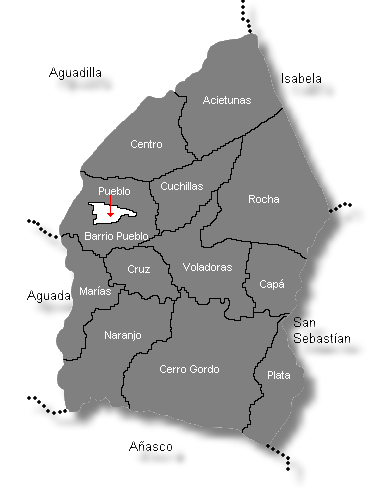
| Census 2020: Population by Wards - Moca |
Habitants |
| Aceitunas | 2,820 |
| Capá | 3,010 |
| Centro | 1,139 |
| Cerro Gordo | 3,210 |
| Cruz | 980 |
| Cuchillas | 3,980 |
| Marías | 1,620 |
| Moca Pueblo | 2,940 |
| Naranjo | 2,210 |
| Plata | 820 |
| Barrio Town | 6,600 |
| Rocha | 3,060 |
| Voladoras | 3,258 |
| Total | 39,697 |
Source: Censo 2020
Religious Patron – Our Lady of Montserrat
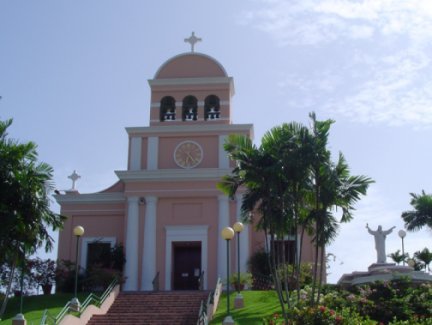
The municipality of Moca honors Our Lady of Montserrat as its patron saint, a Marian devotion of deep spiritual and cultural importance to the local community.
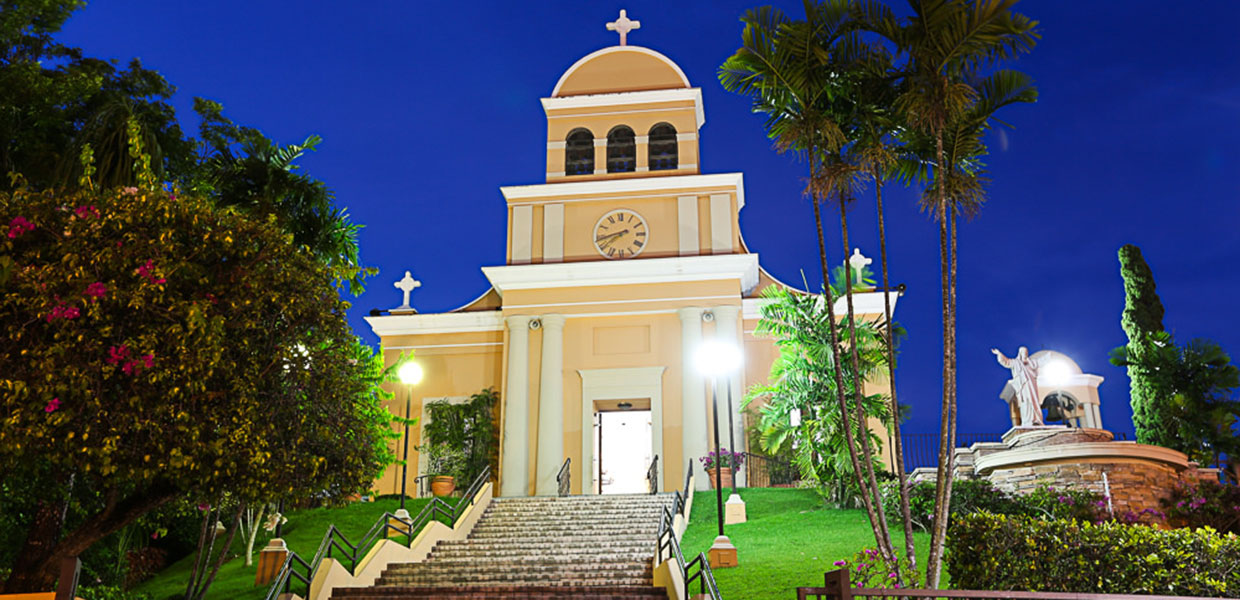
The Parroquia Nuestra Señora de la Monserrate is the municipality’s main religious center and one of the most historically significant buildings in the urban core. It hosts the principal liturgical celebrations, processions, and religious events that form an essential part of community life.
Address: Calle Blanca Chico #201
P.O. Box: 435
Moca, PR 00676
The patron saint festivities dedicated to Our Lady of Montserrat are traditionally celebrated between August and September, combining religious observances with cultural and community activities that reinforce Moca’s historical and spiritual identity.
Municipal Government
Moca operates under an autonomous municipal government, led by a mayor and a municipal legislature elected by popular vote. This structure is responsible for public administration and for shaping policies aimed at community well-being and sustainable development.
The Municipal City Hall serves as the administrative center, coordinating areas such as:
- Public works and infrastructure maintenance
- Urban planning and land use
- Community and cultural programs
- Recreation, sports, and social development
The municipal government also works closely with state and federal agencies on infrastructure projects, essential services, environmental management, and support for local economic sectors.
Local Economy
Moca’s economy is diversified, combining traditional agriculture, light manufacturing, local commerce, and distinctive cultural expressions.
Agriculture
Historically, Moca has been an important producer of minor crops, including:
- Plantains and bananas
- Pigeon peas
- Taro (yautía), yam, and cassava
- Squash and beans
- Coffee and citrus fruits (oranges)
The fertility of its alluvial soils has allowed agriculture to remain one of the municipality’s economic pillars.
Industry and Manufacturing
Moca is home to small and medium-sized enterprises focused on:
- Food production (donuts, traditional sweets, pasteles, pork cracklings)
- Peanut processing and artisanal products
- Light manufacturing (office equipment and specialized products)
Culture and Handicrafts
Moca is widely recognized as the Capital of the Mundillo, a delicate bobbin lace technique passed down through generations. This tradition holds both cultural and economic value, particularly through fairs, festivals, and artisanal production.
Geography and Natural Environment
Moca is located within the Western Coastal Valleys subregion, an area characterized by fertile land, favorable climate conditions, and a mix of flat terrain and interior elevations.
Topography
- Predominantly flat relief, especially in agricultural zones
- Northern areas form part of the karst region, with mogotes and distinctive geological formations
- Interior elevations associated with the Jaicoa Range, including Cerro Moca and mountainous areas that separate Moca from Añasco
Hydrography
Moca is primarily irrigated by the Culebrinas River and an extensive network of streams and tributaries, including:
- Quebrada de las Gatas
- Quebrada Lassalle
- Quebrada de las Marías
- Quebrada Aguas Frías
- Quebrada Grande and Quebrada Dulce
These waterways have been essential for agriculture, local water supply, and ecological balance.
Natural Setting
Moca’s landscape blends agricultural fields, rural communities, and areas of ecological value, creating an environment that supports community life, agricultural production, and the preservation of cultural traditions closely tied to the land.
Municipal Symbols, Traditions & Heritage
Moca’s official symbols—the flag and the coat of arms—formally represent the municipality’s historical, religious, natural, and cultural identity. Both emblems were adopted during the Bicentennial of Moca’s founding (1972), reinforcing their institutional value and historical meaning. Their design follows traditional Puerto Rican municipal heraldry and reflects defining elements of the town.
Flag of Moca
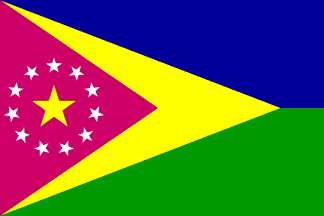 The Flag of Moca was designed by local painter Augusto Hernández at the request of the Sociedad Pro Conmemoración del Bicentenario de Moca, Inc. The design was approved by the society and officially adopted by the Municipal Assembly on February 19, 1972.
As part of the Bicentennial celebrations, the municipal coat of arms—based on the original polychrome wooden piece created by local artist Valentín Pérez—was formally presented to the public on June 22, 1972. The flag and coat of arms were conceived as integrated symbols representing Moca’s historical, cultural, and religious identity.
Coat of Arms of Moca
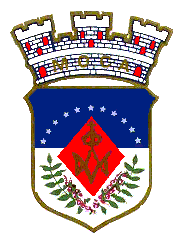 Also designed by Augusto Hernández, the municipal coat of arms has an oblong shape and rich symbolism:
- Divided into a silver field and a blue sky, joined by a purple lozenge, the color of the moca tree flower.
- The central lozenge bears religious symbolism, highlighted by a gold monogram of the Virgin Mary topped with a Christian crown.
- Two leafy branches of the moca tree appear below the lozenge, alluding to the town’s name and natural heritage.
- An arch of eleven five-pointed silver stars crowns the upper section, symbolizing unity and community.
- A silver mural crown shaped as a three-towered castle identifies Moca as a town.
- The word “Moca” appears in gold on the crown, flanked by two golden padlocks with purple Latin-cross keyholes, symbols of faith, protection, and tradition.
Overall meaning: Together, the flag and coat of arms synthesize Moca’s history, Marian spirituality, natural environment, and civic pride—visual expressions of the community’s collective memory and heritage.
Events & Traditions of Moca
Moca maintains an active cultural calendar that blends religious devotion, handicrafts, and music:
- Three Kings Festival – January
- Three Kings Walk – January
- Agricultural Fair – April
- Municipal Olympics – June
- Mundillo Festival – June
- Puerto Rican Cuatro Festival – June
- Feast of Our Lady of Montserrat (Patron Saint Festivities) – August–September
- Montserrat Rafting Event – November
- Christmas Season Opening – December
- Mask Parade – December
- Mask Festival – December
These celebrations underscore Moca’s strong cultural identity, especially its recognition as the Capital of Mundillo.
Places of Interest in Moca
- Antigua Casa Labadie (Palacete Moreau) – A historic structure representative of 19th-century urban development.
- Castillos Los Meléndez – Distinctive constructions of historical and cultural value.
- Hacienda Enriqueta – A site associated with the municipality’s agricultural and rural history.
- Museo del Mundillo – The primary institution preserving and promoting the mundillo lace tradition.
- Parque La Moca – Recreational area and community gathering point.
- Parroquia Nuestra Señora de la Monserrate – The municipality’s central religious and historic landmark.
Distinguished Figures of Moca
Moca has been the birthplace of notable contributors to education, literature, politics, and culture in Puerto Rico:
- Marcelino Rodríguez Román – Educator and writer; director of the Department of Public Instruction’s journal Educación.
- Enrique A. Laguerre Vélez – Writer and professor of Hispanic studies; author of La llamarada and other seminal works of Puerto Rican literature.
- Adolfo Babilonia Quiñones – Educator, musician, mathematician, and surveyor.
- Dr. Efraín Sánchez Hidalgo – Educator and Secretary of Public Instruction; author in educational psychology.
- Atilano Cordero Badillo – Merchant, entrepreneur, and civic leader.
- Pedro Acevedo y Rivera – Mayor of Moca in 1897; journalist, musician, and liberal politician.
- Américo Miranda González – Civic leader and humanist; Moca’s Public Library bears his name.
- Luis Alfredo Colón Velázquez – Senator, first native legislator of Moca, municipal judge, and member of the Constitutional Assembly.
- Noel Colón Martínez – Attorney; former president of the Puerto Rico Bar Association and 1972 gubernatorial candidate for the PIP.
Moca Public Schools
Moca District
| Name | Location |
| Cerro Gordo Lao | Bo. Cerro Gordo |
| Dr. Efraín Sánchez Hidalgo | Bo. Pueblo |
| Julio Babilonia | Bo. Naranjo |
| Cerro Gordo medina | Bo. Cerro Gordo |
| Unidad de Cuchillas | Bo. Cuchillas |
| Marcelino Rodríguez Román | Bo. Voladoras |
| Marías III | Bo. Marías |
| Juan De Dios Quiñones | Bo. Voladoras |
| George Washington | Bo. Rocha |
| Basilio Charneco | Bo. Marías |
| Antonio S. Pedreira | Bo. Pueblo |
| Voladoras Lomas | Bo. Voladoras |
| Tomas Vera Ayala | Bo. Plata |
| Arístides Maisonave | Bo. Aceitunas |
| Narciso Bosques | Bo. Capá |
| Escuela Superior Nueva | Bo. Pueblo |
| Adolfo Babilonia Quiñones | Bo. Pueblo |
| Luis Alfredo Colón | Bo. Pueblo |
Hymn:
Por Augusto Hernández
Doce barrios, doce estrellas
en nuestra constelación
que queremos con orgullo
y defedemos con tezón.
Sus veredas, sus campiñas,
sus mocas de verde y flor
dan belleza a nuestro suelo
con un radiante esplendor.
Desde el norte de la Sierra
hasta el sur del Culebrinas
laboramos los mocanos
hasta conquistar la cima.
Las nuevas generaciones
se están nutriendo con gloria
del legado que ha dejado
lo héroes de nuestra historia.