Places of Interest and Attractions in Puerto Rico
Discover the most popular attractions and tourist destinations in Puerto Rico
Puerto Rico is one of the most diverse tourist destinations in the Caribbean. The archipelago, located between the Atlantic Ocean and the Caribbean Sea, combines colonial history, tropical landscapes, spectacular beaches, and a vibrant culture that attracts visitors from around the world.
With an approximate area of 8,870 km² and composed of 78 municipalities, Puerto Rico offers an extraordinary variety of travel experiences. From centuries-old fortresses and historic cities to tropical rainforests, bioluminescent bays, and protected natural reserves, the attractions and places of interest in Puerto Rico reflect the island’s rich cultural and natural heritage.
Exploring Puerto Rico allows visitors to discover both iconic destinations and lesser-known locations where history, nature, and traditions come together to shape the identity of the Island of Enchantment.
Explore Puerto Rico by Category
Puerto Rico offers a wide variety of experiences for visitors. In addition to the most well-known attractions, you can also explore other sections dedicated to discovering different aspects of the island.
Explore more about Puerto Rico:
Beaches of Puerto Rico by Region
Discover some of the most beautiful beaches in Puerto Rico organized by the north, west, east, and south coasts.
Cities and Towns of Puerto Rico
Explore the municipalities of Puerto Rico and learn about their history, culture, plazas, and local attractions.
Festivals and Celebrations in Puerto Rico
Learn about the cultural, religious, and culinary festivals celebrated throughout the year in different towns across the island.
Puerto Rico Culinary Routes
Discover Puerto Rican cuisine, known for traditional dishes such as mofongo, roasted pork (lechón), tostones, and a wide variety of fresh seafood.
Historic Sites and Monuments
A Journey Through the Historic Sites of Puerto Rico
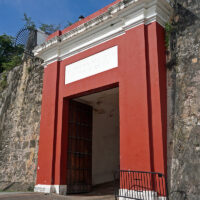
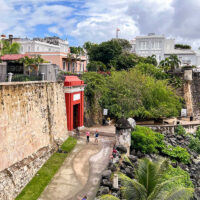
The history of Puerto Rico dates back more than 500 years, from the arrival of the Spanish in 1493 to its present development as a territory of the United States. This rich history is reflected in its colonial cities, military fortresses, museums, and historic monuments that today are among the island’s main cultural attractions.
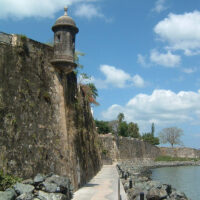
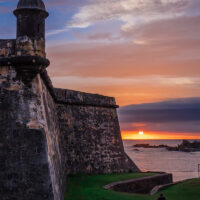
One of the most emblematic landmarks is Castillo San Felipe del Morro, a 16th-century fortress built by Spain to protect the entrance to San Juan Bay. The site is part of the San Juan National Historic Site, declared a UNESCO World Heritage Site in 1983.
Nearby is Castillo San Cristóbal, the largest Spanish fortification built in the New World. This military complex protected the city from land attacks and formed part of San Juan’s defensive system during the colonial period.
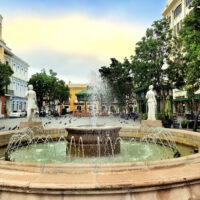
The city of Ponce, known as *La Perla del Sur* (The Pearl of the South), also stands out for its historic architecture, colonial plazas, and museums. In its main square, Plaza Las Delicias, visitors can find the famous Parque de Bombas, an iconic red and black building constructed in 1882 that originally served as a fire station.
Major Historic Sites of Puerto Rico
These places help visitors understand the historical evolution of Puerto Rico and its strategic importance in the Caribbean during the Spanish colonial period.
Natural Wonders and Outdoor Activities
Explore the Natural Wonders of Puerto Rico
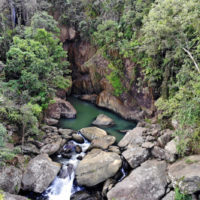
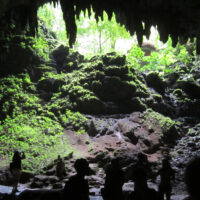
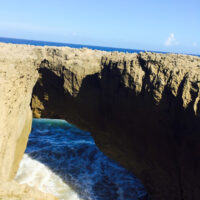
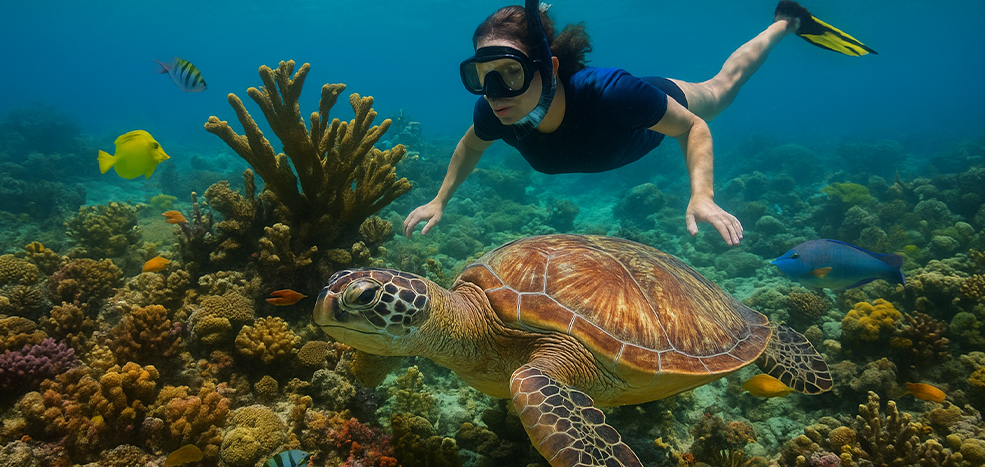
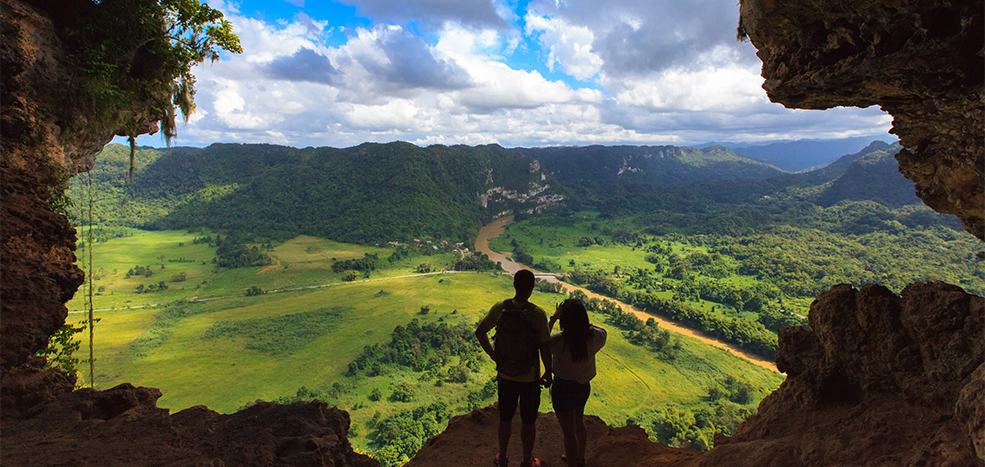
Puerto Rico is home to a remarkable diversity of Caribbean ecosystems, including tropical forests, coastal mangroves, mountains, coral reefs, and protected natural reserves.
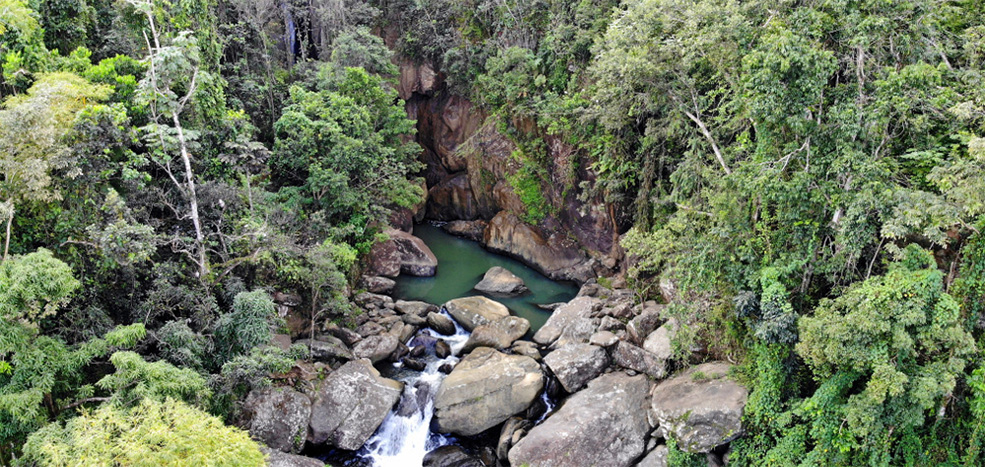
One of the island’s most important natural destinations is El Yunque National Forest, the only tropical rainforest in the United States National Forest System. Located in the northeastern region of Puerto Rico, this protected forest covers more than 28,000 acres and is home to numerous species of plants and animals, many of which are endemic to the island.
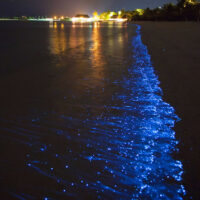
Another extraordinary experience is the island’s bioluminescent bays, a natural phenomenon caused by microorganisms called dinoflagellates that illuminate the water when disturbed. Puerto Rico is home to three internationally recognized bioluminescent bays: Mosquito Bay in Vieques, Laguna Grande in Fajardo, and La Parguera in Lajas. In addition, visitors can explore natural parks, caves, ecological reserves, and hiking trails that offer activities such as hiking, kayaking, birdwatching, and cave exploration.
Major Natural Wonders of Puerto Rico

These locations make Puerto Rico an ideal destination for ecotourism, adventure, and the exploration of unique natural landscapes in the Caribbean.
Unique Cultural Attractions of Puerto Rico
Tradition, Art, and Culture of Puerto Rico
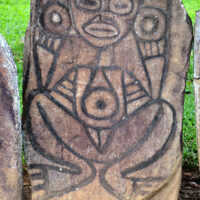
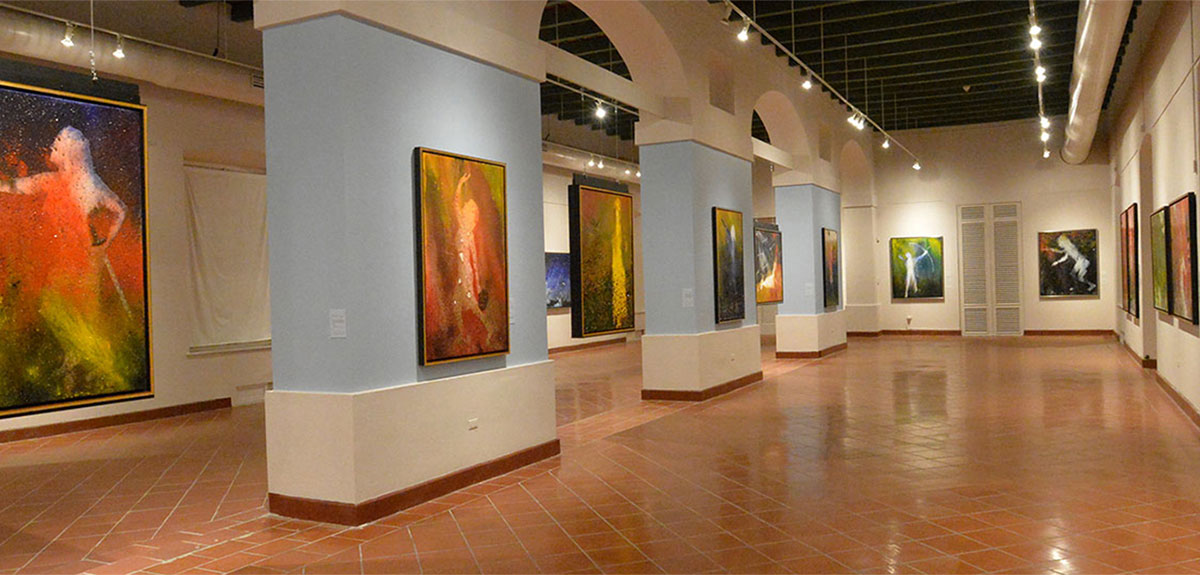
Puerto Rican culture is the result of a blend of Taíno, Spanish, and African influences, reflected in its music, art, cuisine, and festivals. This combination of traditions has shaped a unique cultural identity in the Caribbean.
The city of Ponce is home to the Museo de Arte de Ponce, founded in 1959 and internationally recognized for its important collection of European and Latin American art. The museum is considered one of the most important cultural institutions in the Caribbean.
In Santurce, one of the most dynamic cultural districts in San Juan, you will find art galleries, urban murals, theaters, and a vibrant cultural scene. The area also hosts events such as Santurce es Ley, one of the most important urban art festivals in the Caribbean.
The municipality of Loíza, located on the northeastern coast of Puerto Rico, is known for preserving important Afro-Caribbean traditions, including bomba music, traditional mask craftsmanship, and cultural celebrations such as the Fiestas de Santiago Apóstol.
These cultural experiences provide a deeper understanding of the identity, history, and traditions that define Puerto Rican culture.
Tourist Regions of Puerto Rico
Discover the Main Tourist Regions of Puerto Rico
Puerto Rico is divided into several tourist regions that reflect the island’s geographic and cultural diversity. Each region offers unique landscapes, local traditions, and natural and historic attractions that form part of the archipelago’s travel experience.
North Coast – Porta Atlántico
Known for its cliffs, caves, and Atlantic Ocean beaches. It includes municipalities such as Arecibo, Isabela, and Aguadilla, where attractions like the Camuy River Cave Park can be found.
West Coast – Porta del Sol
Famous for its spectacular sunsets, beaches, and surfing. Municipalities such as Rincón, Cabo Rojo, and Aguada offer some of the most impressive coastal landscapes in Puerto Rico.
East Coast – Porta Antillas
Includes municipalities such as Fajardo, Ceiba, and Humacao, as well as access to the island municipalities of Vieques and Culebra, known for their beaches and protected natural reserves.
South Coast – Porta Caribe
Characterized by its historic architecture, colonial towns, and cultural cities such as Ponce, along with natural reserves and coastal landscapes along the Caribbean Sea.
Exploring Puerto Rico by region will help you better plan your trip and discover unique destinations throughout the archipelago.
Beaches You Must Visit in Puerto Rico
Discover Some of the Best Beaches in Puerto Rico
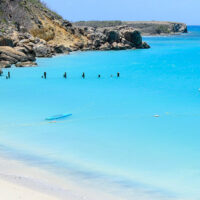
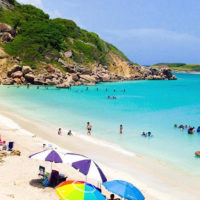
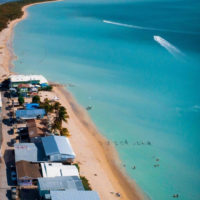
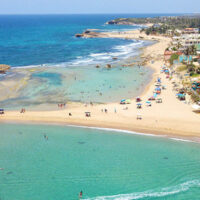
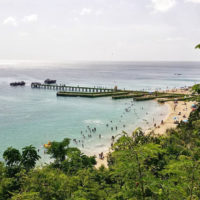
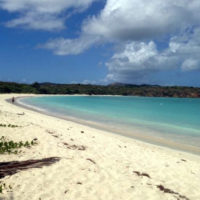
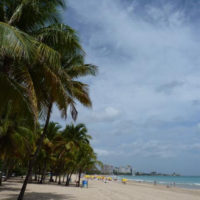
Puerto Rico has more than 300 beaches along its Atlantic Ocean and Caribbean Sea coastlines. Many of them are open to the public, and several are considered among the most beautiful beaches in the Caribbean.
Among the most famous is Flamenco Beach in Culebra, regularly ranked among the most beautiful beaches in the world for its white sand, crystal-clear waters, and protected natural surroundings.
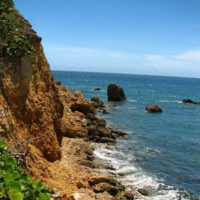
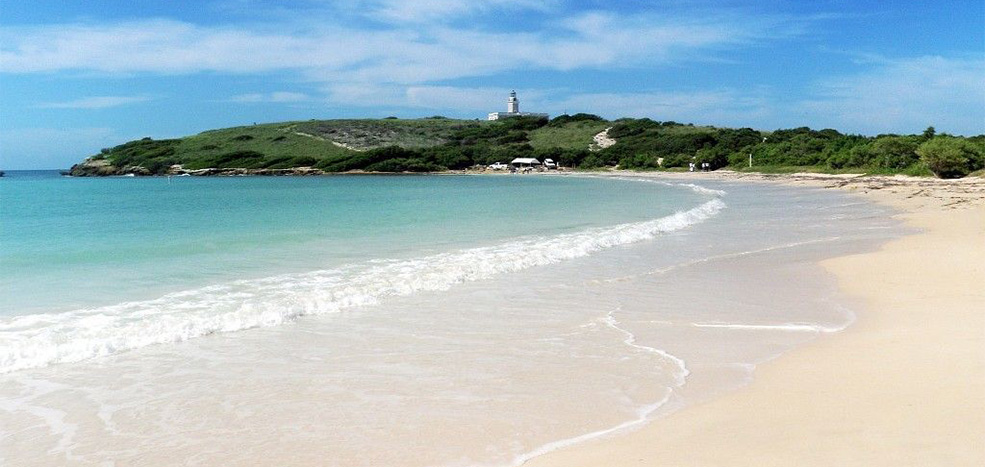
In the southwest of the island, Playa Sucia in Cabo Rojo stands out. Located within the Cabo Rojo National Wildlife Refuge, this beach is known for its dramatic coastal landscapes and its proximity to the historic Los Morrillos Lighthouse.
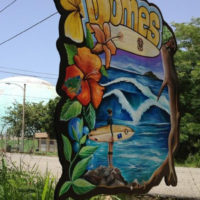
For surfing enthusiasts, Rincón is one of the most recognized destinations in Puerto Rico, with beaches such as Domes Beach attracting surfers from around the world.
Popular Beaches of Puerto Rico

Tips for Visiting Puerto Rico’s Attractions
How to Plan Your Trip to Puerto Rico
Tips for Planning Your Visit to Puerto Rico
To make the most of your visit to Puerto Rico and enjoy its main tourist attractions, consider the following helpful tips when planning your trip.
- Plan your itinerary according to your interests, as the island offers a wide variety of experiences.
- Renting a vehicle can make it easier to explore different regions outside the San Juan metropolitan area.
- Use sunscreen and insect repellent
- Respect the environment, especially in natural reserves and protected beaches.
- Knowing a few Spanish phrases can improve your interaction with local residents.
Puerto Rico can be visited year-round thanks to its tropical climate, although the peak tourism season usually occurs between December and April.
Accommodation Options in Puerto Rico
Lodging Options and Where to Stay in Puerto Rico
Puerto Rico offers a wide variety of accommodation options for every travel style and budget, from luxury beachfront resorts to small hotels and traditional guest accommodations.
You can choose from:
- Beachfront resorts with luxury amenities in tourist areas such as Condado, Isla Verde, and Dorado
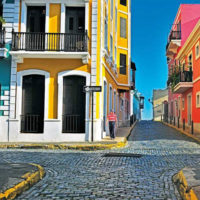
- Boutique hotels in Old San Juan, located in historic colonial buildings
- Puerto Rican paradores, a network of small traditional hotels located throughout different regions of the island
- Guesthouses and vacation rentals that offer a more local and flexible travel experience
These options allow visitors to experience Puerto Rico from different perspectives, whether in the heart of its historic cities or near its beaches, natural reserves, and main tourist attractions.
Frequently Asked Questions about Attractions in Puerto Rico
Explore More About Puerto Rico
Puerto Rico offers much more than beautiful beaches. Its history, culture, cuisine, and natural landscapes make the island a complete and vibrant destination for visitors from around the world. After enjoying the sea, you can explore many other treasures of Puerto Rico, from historic cities and cultural festivals to natural reserves and unique culinary experiences.