
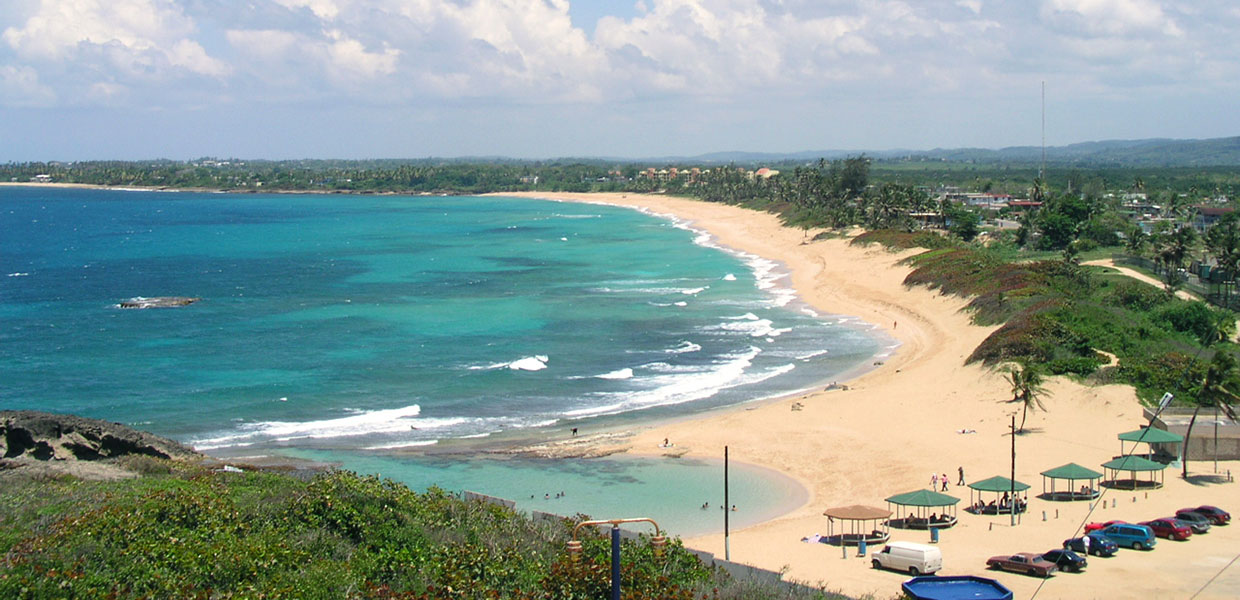
North Region of Puerto Rico
A Paradise of Beaches, History, and Culture
The Northern Region of Puerto Rico, known for tourism as Porta Atlántico, brings together several municipalities located along the Atlantic Ocean coastline. This region is characterized by its diverse coastal landscapes, historic towns, and rich cultural heritage that reflects the traditions and history of the island.
From the historic city of San Juan, with its colonial architecture and vibrant cultural scene, to coastal municipalities such as Dorado and Vega Baja, known for their beaches and maritime activities, the region offers a wide variety of destinations to explore.
Municipalities such as Arecibo stand out for their natural and historical attractions, while Hatillo is recognized for its cultural traditions, including the famous Festival of the Masks, one of the most popular celebrations in northern Puerto Rico.
Overall, the towns of the Northern Region of Puerto Rico offer a combination of history, traditions, coastal landscapes, and cultural experiences, making this region an attractive destination for both residents and visitors interested in exploring the island’s Atlantic coast.
Towns in the Northern Region of Puerto Rico
The Northern Region of Puerto Rico, known as Porta Atlántico, is composed of various municipalities located along the Atlantic Ocean coastline and nearby inland areas. These towns combine history, culture, coastal landscapes, and local traditions, offering visitors a wide range of experiences throughout the northern part of the island.
Among the municipalities that make up the Northern Region of Puerto Rico are:
Arecibo | Barceloneta | Bayamón | Camuy | Cataño | Corozal | Dorado | Florida | Guaynabo | Hatillo | Isabela | Manatí | Morovis | Quebradillas | Río Piedras | San Juan | San Sebastián | Toa Alta | Toa Baja | Vega Alta | Vega Baja
Each of these municipalities has its own history, attractions, and cultural characteristics. Below, you can explore the towns of the Northern Region of Puerto Rico, with links to more detailed information about each municipality.
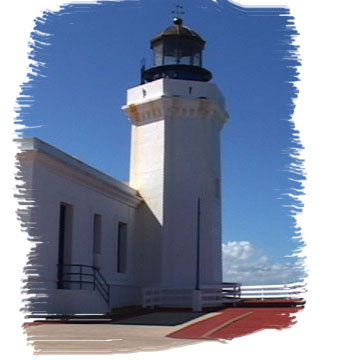
Arecibo Lighthouse
Arecibo, Puerto Rico
Arecibo, known as “La Villa del Capitán Correa” and “The Diamond of the North,” is a coastal municipality located in the Northern Region of Puerto Rico (Porta Atlántico), approximately 80 kilometers west of San Juan. It is the largest municipality in terms of land area on the island and one of the most historically significant destinations along the northern coast.
The city traces its origins to the pre-Columbian era with Taíno communities, and it was later established by Spanish colonizers in 1511 as the settlement of San Sebastián de Arecibo. Its history also includes the defense led by Antonio de los Reyes Correa during a British attack in 1797, a notable event in local history.
Barceloneta, Puerto Rico
Barceloneta, located on the northern coast of Puerto Rico, is known as “The Industrial City,” a nickname that reflects its strong manufacturing sector. The municipality is home to one of the largest pharmaceutical complexes in the world, with several companies dedicated to the production of medications and biotechnology products.
This industrial development has made Barceloneta an important economic hub in the Northern Region of Puerto Rico, combining business activity with its coastal location and the continued growth of its local community.
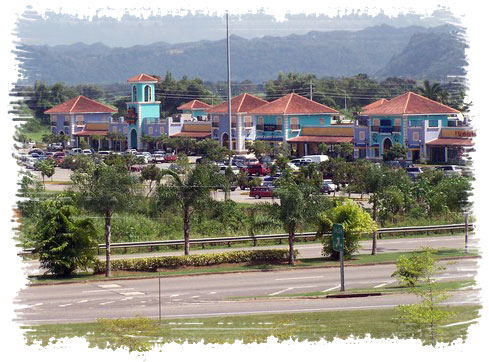
Industrial City
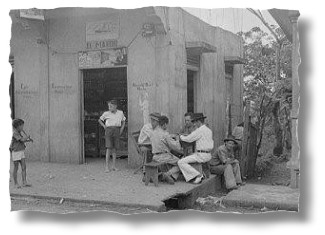
Playing dominoes at “El Marino”, Bayamón 1940’s
Bayamón, Puerto Rico
Bayamón, known as “The Town of Chicharrón,” is the second most populous city in Puerto Rico and part of the San Juan metropolitan area. Founded in 1772, the city is distinguished by its blend of history, culture, and urban development within the Northern Region of Puerto Rico.
Among its main attractions is the Luis A. Ferré Science Park, along with museums, cultural centers, and recreational spaces that reflect the dynamic lifestyle of this important northern city.
Camuy, Puerto Rico
Camuy, known as “The Romantic City” and “The City of the Taíno Sun,” is a municipality located on the northern coast of Puerto Rico within the Northern Region (Porta Atlántico). Founded in 1807, this town combines a rich cultural history with the natural landscapes that define this area of the island’s north.
Camuy is recognized for its natural attractions, especially the Río Camuy Cave Park, one of the largest cave systems in the world. Its landscapes, traditions, and natural environment make it a standout destination in northern Puerto Rico.
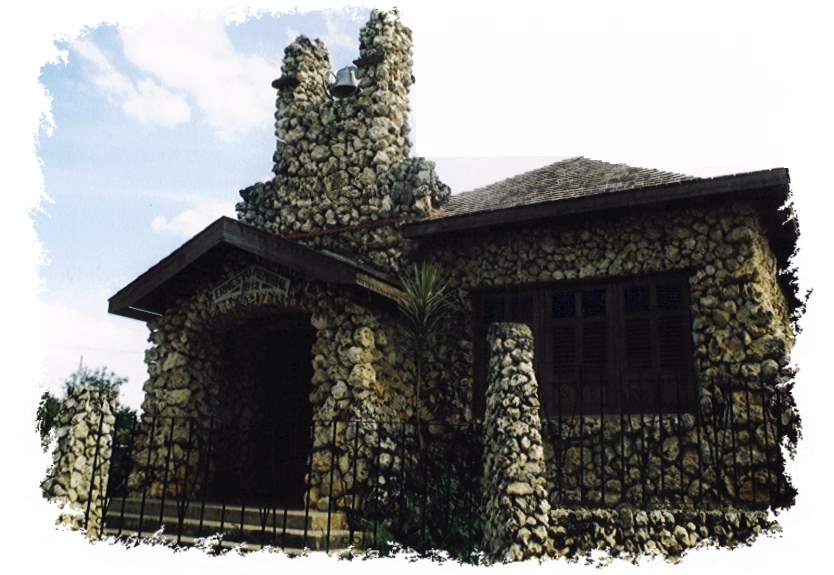
Stone Church in Abra Honda
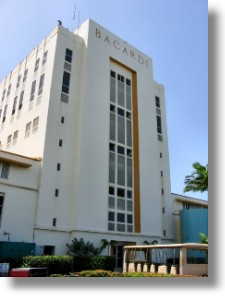
Bacardí Rum Factory
Cataño, Puerto Rico
Cataño, known as “The Gateway to the Capital,” is the smallest municipality in Puerto Rico and is located on the northern coast of the island, across from the San Juan Bay. Despite its size of approximately 12.5 square kilometers, this municipality stands out for its strategic location and close proximity to the capital.
Thanks to its direct connection to San Juan via a ferry that crosses the bay in just a few minutes, Cataño serves as an entry point to the historic area of Old San Juan, while also offering coastal spaces and an active community life within the Northern Region of Puerto Rico.
Corozal, Puerto Rico
Corozal, known as “The Cradle of Volleyball,” is a municipality located in the central region of Puerto Rico that is part of the Northern Region (Porta Atlántico). The town is recognized for its rich history, cultural traditions, and for being the birthplace of notable volleyball players known both nationally and internationally.
In addition, Corozal is known as the “Heart of the Island” due to its strategic inland location. This position makes it an ideal starting point for exploring different regions of the island while enjoying its mountainous landscapes and strong sense of community.
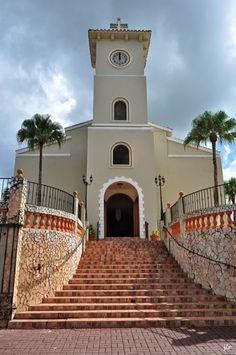
La Sagrada Familia Parish
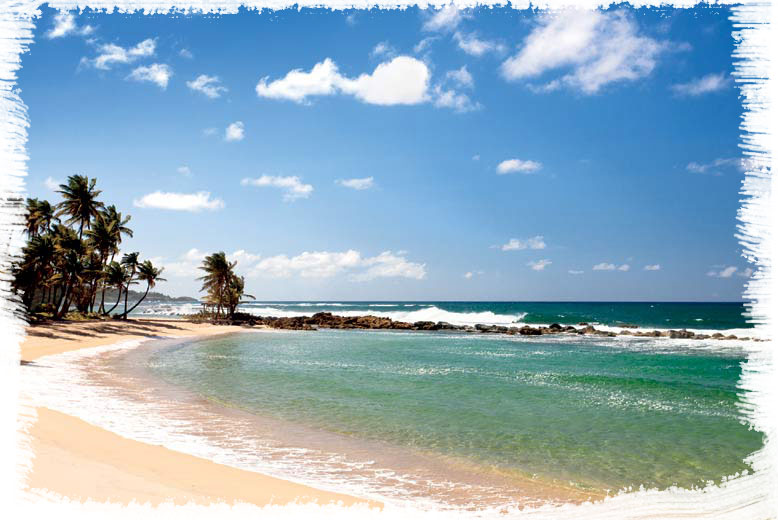
Sardinera Beach
Dorado, Puerto Rico
Dorado, a coastal municipality located in the Northern Region of Puerto Rico (Porta Atlántico), is known as “The Cleanest City in Puerto Rico” and “The Golden City.” Founded in 1793, the city is distinguished by its golden-sand beaches, local history, and its development as one of the most well-known coastal destinations in the northern part of the island.
Thanks to its location along the Atlantic Ocean, Dorado stands out as a popular tourist destination that combines beaches, hotels, restaurants, and a variety of attractions for residents and visitors looking to enjoy Puerto Rico’s northern coast.
Florida, Puerto Rico
Florida is a municipality located in the north-central area of Puerto Rico, within the Northern Region (Porta Atlántico). The town is known for its natural surroundings and for the limestone geological formations known as mogotes, which are characteristic of the northern landscape of the island.
Florida is known as the “Land of the Enchanted River,” in reference to the Río Grande de Manatí that runs through the municipality, and also as the “Land of the Mogotes” due to its distinctive natural formations. In addition, the municipality maintains an agricultural tradition linked to the cultivation of the Cayenalisa pineapple, a variety recognized for its sweet flavor and juicy texture.
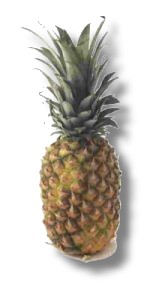
Town of the Cayenalisa Pineapple
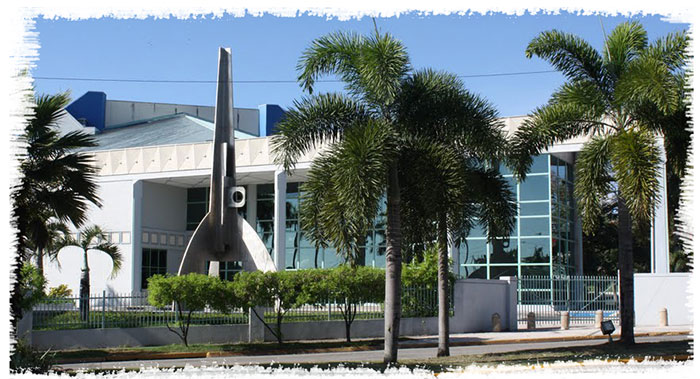
Center of Fine Arts, Guaynabo, Puerto Rico
Guaynabo, Puerto Rico
Guaynabo is a municipality located in the Northern Region of Puerto Rico (Porta Atlántico) and is part of the San Juan metropolitan area. Founded in 1769, the municipality stands out for its historical importance, as it was the site of the first European settlement on the island, known as the Ruins of Caparra.
Guaynabo is known as “The City of the Conquistadors” and also for its cultural traditions such as the Mabó Carnival. Its history, urban development, and cultural life make it one of the most important municipalities in the northern area of Puerto Rico.
Hatillo, Puerto Rico
Hatillo is a coastal municipality located in the Northern Region of Puerto Rico (Porta Atlántico). The town is known for its strong agricultural and livestock traditions, particularly for its significant milk production on the island.
Hatillo is known as the “Dairy Capital of Puerto Rico,” reflecting its key role in the country’s livestock industry. Its vast green fields, rural culture, and local traditions are part of the distinctive character of this northern municipality.

A young man disguised as “Holy Innocent” in “Mask Day”.
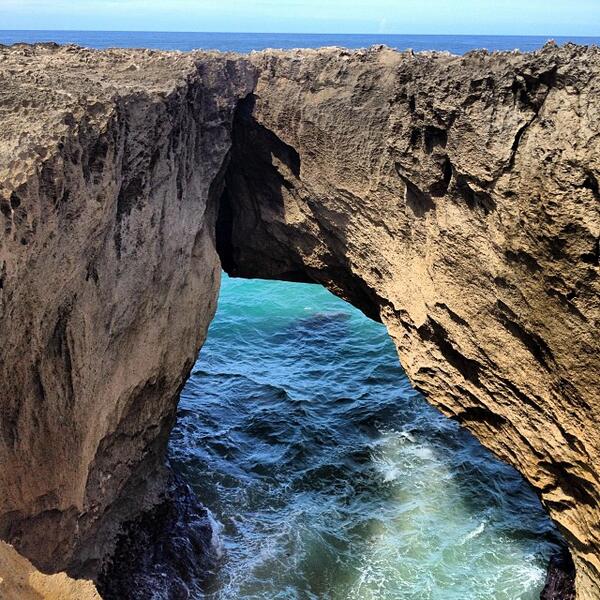
Pozo de Jacinto
Isabela, Puerto Rico
Isabela is a coastal municipality located in the northwest of Puerto Rico, within the Northern Region (Porta Atlántico). The town is known for its natural beauty and coastal landscapes, which combine beaches, cliffs, and natural areas characteristic of this part of the island.
Isabela is known as the “Garden of the Northwest,” reflecting its natural environment and tourist appeal. Its golden-sand beaches and crystal-clear waters attract visitors year-round, while locations such as Jobos Beach have become popular destinations for surfing and water activities.
Manatí, Puerto Rico
Manatí is a coastal municipality located in the Northern Region of Puerto Rico (Porta Atlántico). The town is known for its beautiful beaches, coastal landscapes, and its historical importance in the cultural development of the northern part of the island.
Manatí is known as the “Athens of Puerto Rico,” a nickname that reflects its cultural and intellectual legacy. Its beaches, natural areas, and local traditions make the municipality one of the most representative destinations along the northern coast.
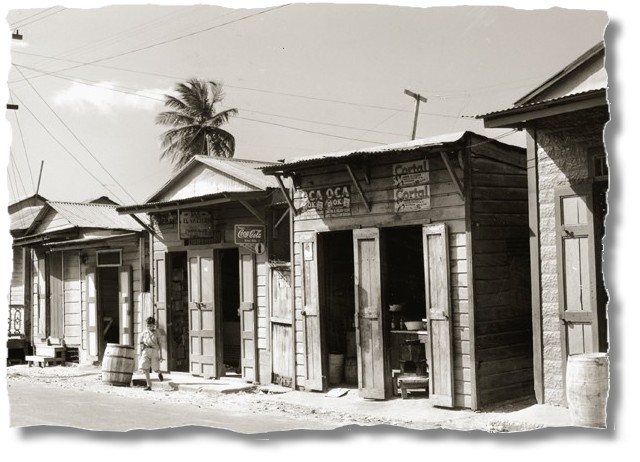
Manatí 1941 – Photo by Jack Delano

Cabachuelas Caverns
Morovis, Puerto Rico
Morovis is a municipality located in the central region of Puerto Rico that forms part of the Northern Region (Porta Atlántico). The town is known for its mountainous landscape, rural atmosphere, and cultural traditions that reflect life in the island’s interior.
Morovis is known as “La Isla Menos Morovis” (“The Island Except Morovis”), a popular nickname that is part of its local identity. Its natural landscapes, historic sites such as San Juan Bautista Church, and community festivals highlight the culture and welcoming character of this north-central municipality.
Quebradillas, Puerto Rico
Quebradillas is a coastal municipality located in the Northern Region of Puerto Rico (Porta Atlántico). The town is known for its coastal landscapes and its history connected to the sea along the island’s Atlantic coast.
Quebradillas is known as “The Pirate’s Hideout,” “The City of Cooperativism,” and “The Corner of Guajataca,” nicknames that reflect its history, strong cooperative tradition, and the natural beauty of places such as Guajataca Beach, one of the municipality’s main attractions.
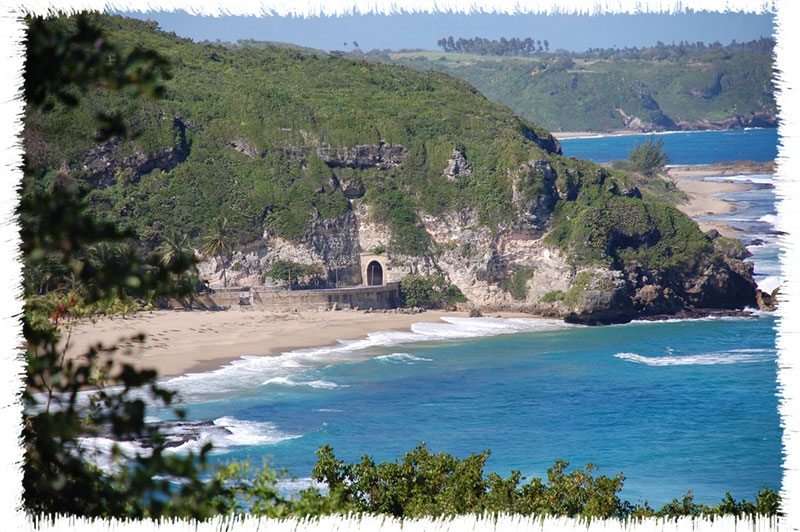
Guajataca Tunnel
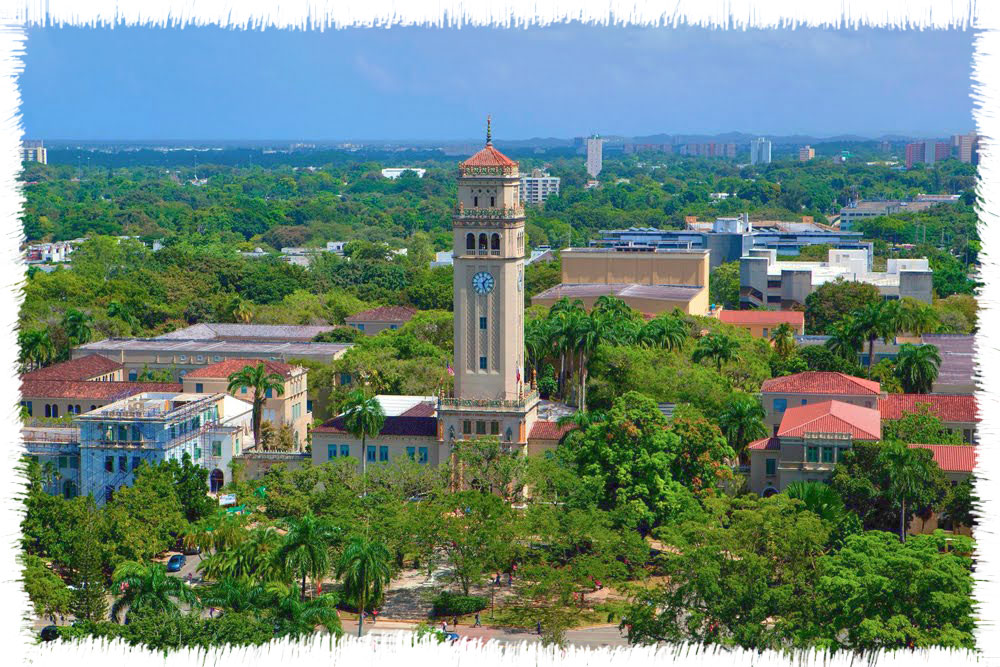
Universidad de Puerto Rico
Río Piedras, Puerto Rico
Río Piedras is a historic district located within the municipality of San Juan, in the Northern Region of Puerto Rico (Porta Atlántico). The area is known for its educational and cultural importance, as it is home to the main campus of the University of Puerto Rico, one of the country’s most important academic institutions.
Río Piedras is recognized as one of the most active university and cultural centers in the capital. Its commercial streets, cultural spaces, and diverse food scene reflect the student energy and dynamic environment that characterize this historic sector of San Juan.
San Juan, Puerto Rico
San Juan is the capital of Puerto Rico and the island’s primary historical, cultural, and political center. Located in the Northern Region (Porta Atlántico), the city is known for its rich colonial heritage, historic fortifications, and its role as one of the most important cities in the Caribbean.
San Juan is known as the “Walled City,” in reference to the fortifications of Old San Juan, as well as the “City of Cobblestones” for its colonial-era paved streets. Its historic architecture, museums, plazas, and vibrant cultural life make the capital one of the most iconic destinations in Puerto Rico.
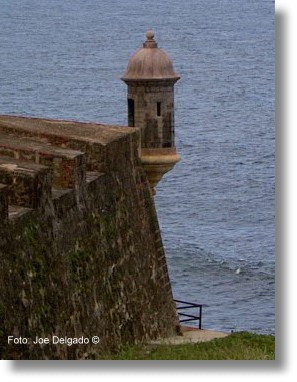
San Cristóbal Fort
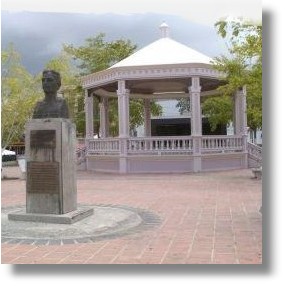
San Sebastián Plaza
San Sebastián, Puerto Rico
San Sebastián is a municipality located in the mountainous northwest region of Puerto Rico that forms part of the Northern Region (Porta Atlántico). The town is known for its agricultural traditions, mountainous landscape, and strong cultural identity within the island’s interior.
San Sebastián is known as “San Sebastián del Pepino,” a nickname associated with the historical abundance of this crop in the region. It is also recognized as the “Cradle of the Hammock,” reflecting its artisanal tradition of handwoven hammocks that are part of the local culture.
Toa Alta, Puerto Rico
Toa Alta is a municipality located in the Northern Region of Puerto Rico (Porta Atlántico). The town is known for its history, cultural traditions, and its connection to the Río de la Plata, one of the most important rivers on the island.
Toa Alta is known as the “City of Toa,” in reference to the river that runs through the municipality, and also as the “Cradle of Poets” due to its literary and cultural legacy. Its traditional festivals, patron saint celebrations, and cultural events reflect the strong sense of identity of this northern municipality.
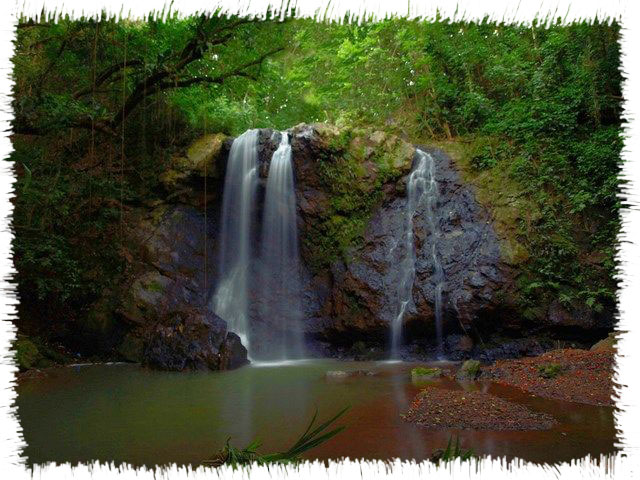
Cascada Yolanda
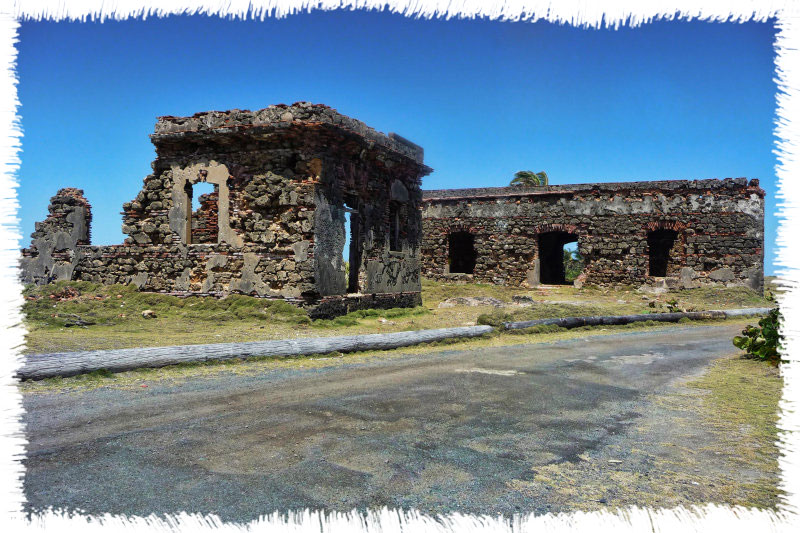
Isla de Cabras – Leprosarium
Toa Baja, Puerto Rico
Toa Baja is a coastal municipality located in the Northern Region of Puerto Rico (Porta Atlántico). The town is known for its coastal plains, its historical connection to the Río de la Plata, and its proximity to the San Juan metropolitan area.
Toa Baja is known as the “City of the Valleys of the Toa River,” referring to the extensive alluvial plains surrounding the river, which have historically supported agricultural activity in the area. Its natural landscapes and community-oriented atmosphere are part of the distinctive character of this northern municipality.
Vega Alta, Puerto Rico
Vega Alta is a coastal municipality located in the Northern Region of Puerto Rico (Porta Atlántico). The town is known for its history, local traditions, and its location along the Atlantic coastline of the island’s north.
Vega Alta is known as the “Town of the Ñangotaos,” a nickname that dates back to a time when residents would wait for the train in a squatting position due to the lack of benches at the station. Its central plaza, surrounded by historic buildings, reflects the traditional character and welcoming atmosphere of this northern municipality.
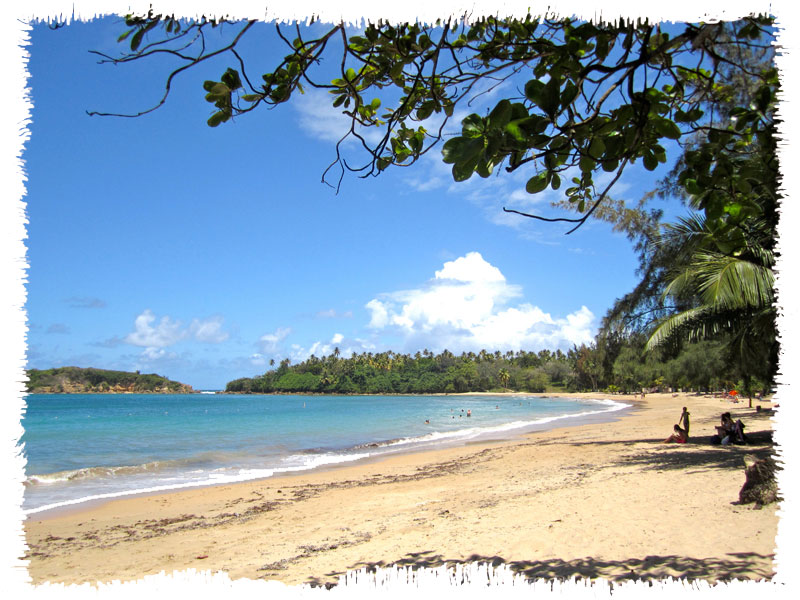
Cerro Gordo Beach, Vega Alta
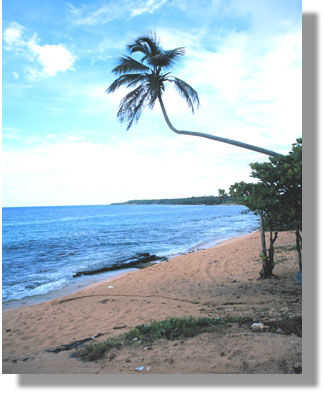
Puerto Nuevo Beach
Vega Baja, Puerto Rico
Vega Baja is a coastal municipality located in the Northern Region of Puerto Rico (Porta Atlántico). The town is known for its agricultural history, cultural traditions, and landscapes along the Atlantic coast of the island’s north.
Vega Baja is known as the “City of Melao Melao,” referring to the historic sugarcane production that played an important role in its economy. It is also known as the “City of the Orange Grove,” recalling the time when orange cultivation was a prominent agricultural activity in the region.
A Journey Through History, Nature and Culture
The towns of the Northern Region of Puerto Rico (Porta Atlántico) offer a wide variety of experiences that reflect the island’s history, natural beauty, and culture. From the historical legacy found in San Juan to the beaches and coastal landscapes of municipalities such as Dorado, each town contributes a distinctive character to this northern region.
Exploring these municipalities allows visitors to discover historic sites, enjoy natural landscapes, and experience cultural traditions that are part of Puerto Rican identity. Together, the towns of the Northern Region of Puerto Rico provide a unique opportunity to experience the diversity and cultural richness of the island’s Atlantic coast.